

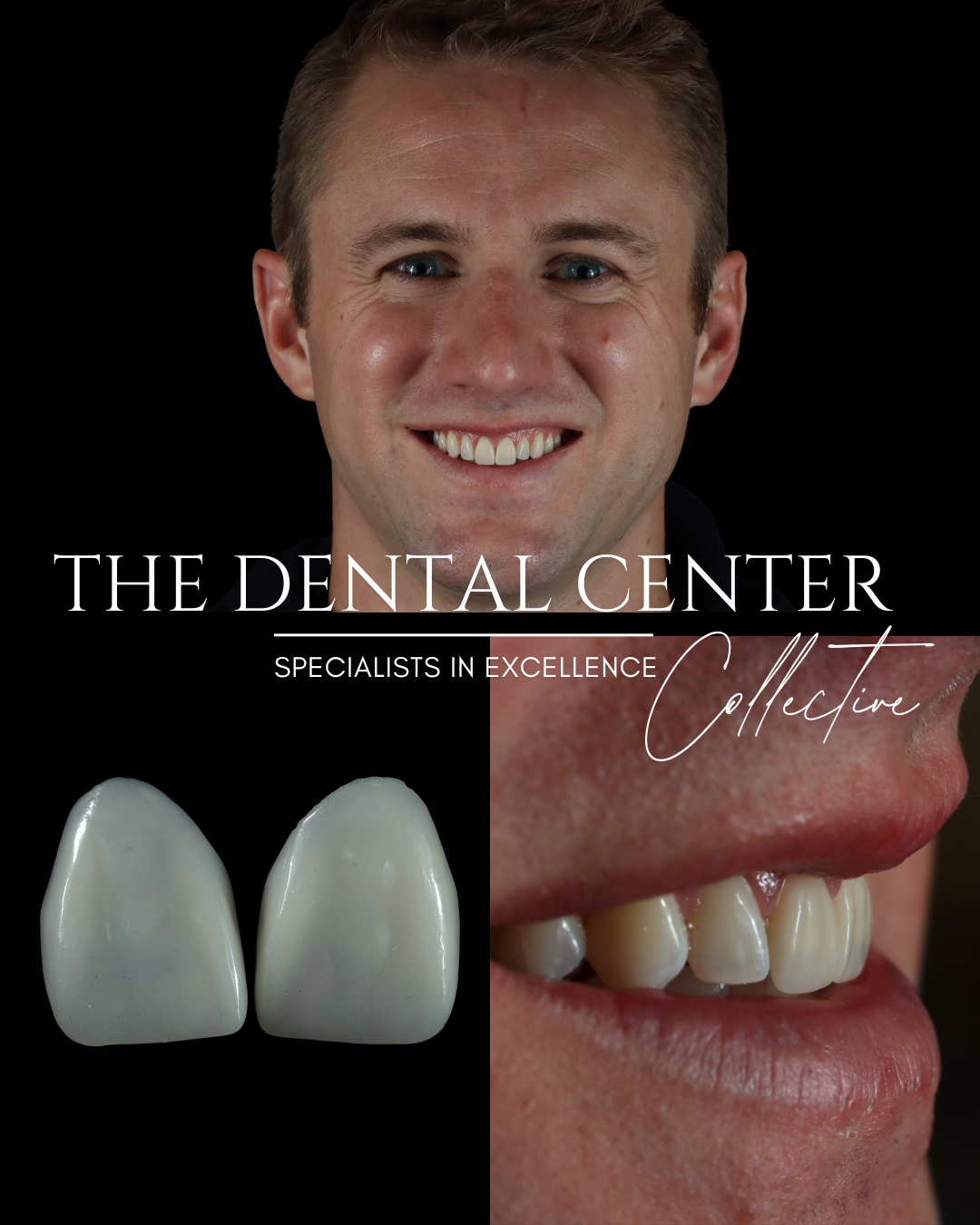
Dental Veneers: What They Are, How They Work, and Whether They’re Right for You
Learn what dental veneers are, how they work, their benefits, lifespan, and whether they’re right for your smile. A complete patient guide to porcelain veneers.
If you’ve ever wished your teeth were whiter, straighter, or more even, you’re not alone. Dental veneers are one of the most popular cosmetic dentistry treatments because they can dramatically improve a smile while still looking natural.
But veneers are also one of the most misunderstood procedures. Many patients wonder:
Are veneers fake looking?
Do they ruin your teeth?
How long do they last?
Are they just for celebrities?
In this guide, we’ll explain what dental veneers are, who they’re for, how the process works, and what you should know before deciding if veneers are right for you.
What Are Dental Veneers?
Dental veneers are thin shells of porcelain or composite resin that are bonded to the front surface of your teeth. They are custom-made to match your natural teeth in color, shape, and size.
Veneers are designed to improve the appearance of teeth that are:
Chipped or worn
Discolored or stained
Uneven or misshapen
Gapped
Slightly crooked
Restored with large old fillings
Damaged from trauma
Unlike crowns, which cover the entire tooth, veneers only cover the front surface. This allows for a more conservative and cosmetic-focused approach.
What Problems Can Veneers Fix?
Veneers are extremely versatile. They are commonly used to treat:
1. Discoloration That Won’t Whiten
Some stains don’t respond to whitening, especially:
Tetracycline staining
Deep internal discoloration
Dark teeth from trauma or root canal treatment
Veneers can mask these stains and create a permanently brighter smile.
2. Chipped or Broken Teeth
Teeth that are chipped from wear, grinding, or trauma can often be restored with veneers rather than crowns.
3. Gaps Between Teeth
Small spaces between teeth can be closed with veneers without orthodontics in certain cases.
4. Uneven or Worn Teeth
Over time, teeth can become shorter or flatter due to grinding or acid wear. Veneers can restore length and symmetry.
5. Mild Crookedness
For patients who want fast cosmetic improvement and are not candidates for orthodontics, veneers can sometimes visually straighten teeth.
Types of Veneers
Porcelain Veneers
Porcelain veneers are the most durable and natural-looking option.
Benefits:
Highly stain resistant
Strong and long-lasting
Very natural translucency
Custom crafted by a dental lab
Porcelain veneers typically last 10–15 years or longer with good care.
2. Composite Veneers
Composite veneers are made from tooth-colored resin and placed directly on the teeth.
Benefits:
Less expensive than porcelain
Can often be done in one visit
Less tooth reduction required
They do not last as long as porcelain veneers and may stain over time.
The Veneer Process: Step by Step
One of the biggest fears patients have is not knowing what to expect. Here’s how the veneer process usually works:
Step 1: Consultation and Smile Planning
This is the most important step. Your dentist will:
Examine your teeth and bite
Take photos and digital scans
Discuss your goals
Evaluate gum health and jaw function
In many practices, digital smile design or mockups can show you what your new smile may look like before any work is done.
Step 2: Tooth Preparation
A small amount of enamel is removed from the front of the teeth to make room for the veneers. This ensures they don’t look bulky.
Local anesthesia is used, and the procedure is typically comfortable.
Step 3: Temporary Veneers
Temporary veneers are placed while your permanent veneers are being made. These allow you to:
Preview your smile
Test function and comfort
Give feedback on shape and size
Step 4: Final Veneer Placement
When the permanent veneers arrive:
They are tried in for fit and color
Adjustments are made
They are permanently bonded in place
This appointment usually takes 1–2 hours.
Do Veneers Look Natural?
When properly designed, veneers should not look fake. The most natural veneers:
Have slight translucency
Are shaped to match your face
Follow natural tooth proportions
Respect your bite and lip movement
Problems happen when veneers are:
Too thick
Too white
Poorly shaped
Placed without proper planning
A skilled cosmetic dentist will design veneers that look like healthy natural teeth — not “piano keys.”
Do Veneers Damage Your Teeth?
This is a common myth. Veneers do not ruin healthy teeth when properly planned and placed.
However, it is important to understand:
Veneers are not reversible
Enamel is permanently altered
Teeth will always need some form of coverage after veneers
That’s why proper case selection is critical. Veneers should only be placed when:
Teeth are structurally healthy
Gum health is stable
Bite forces are controlled
Long-term maintenance is understood
In the right hands, veneers can actually protect weakened or worn teeth.
How Long Do Veneers Last?
Porcelain veneers typically last 10–15 years, and sometimes longer.
Their lifespan depends on:
Oral hygiene
Grinding or clenching habits
Diet (hard foods, ice chewing)
Regular dental visits
Patients who grind their teeth may need a night guard to protect their veneers.
Are Veneers Painful?
Most patients report little to no pain during the veneer process.
Local anesthesia is used during tooth preparation
Temporary veneers protect the teeth
Sensitivity is usually mild and temporary
If sensitivity occurs, it typically resolves within days to weeks.
Who Is a Good Candidate for Veneers?
You may be a good candidate if:
Your teeth are healthy
Your gums are healthy
You want cosmetic improvement
You understand long-term maintenance
You don’t have uncontrolled grinding
You have realistic expectations
You may not be a candidate if:
You have advanced gum disease
You have untreated decay
You have severe bite problems
You grind heavily without protection
In those cases, other treatments may be recommended first.
Veneers vs. Crowns: What’s the Difference?
VeneersCrownsCover the front surfaceCover the entire toothMore conservativeMore tooth reductionPrimarily cosmeticCosmetic and structuralBest for healthy teethBest for damaged teeth
Your dentist will recommend the option that best protects your tooth long-term.
Veneers vs. Whitening
Teeth whitening can brighten natural teeth, but:
It cannot fix shape
It cannot fix chips
It cannot fix alignment
It cannot mask deep stains
Veneers can change:
Color
Shape
Size
Symmetry
Alignment appearance
For some patients, whitening is enough. For others, veneers provide a more complete transformation.
Caring for Veneers
Veneers are cared for like natural teeth:
Brush twice daily
Floss daily
Avoid biting hard objects
Wear a night guard, if recommended
See your dentist regularly
They cannot decay, but the underlying tooth can. Good hygiene is essential.
Common Myths About Veneers
Myth: Veneers look fake
Truth: Poorly done veneers look fake. Well-designed veneers look natural.
Myth: Veneers are only for celebrities
Truth: Veneers are common among everyday patients who want to improve their smile.
Myth: Veneers always require shaving teeth down to pegs
Truth: Modern veneers require minimal enamel reduction in many cases.
Myth: Veneers are purely cosmetic and unnecessary
Truth: Veneers can restore function and protect damaged teeth in addition to improving appearance.
Is Getting Veneers a Big Decision?
Yes — and it should be.
Veneers are a long-term investment in your smile and your oral health. A good veneer plan should consider:
Facial balance
Gum health
Bite stability
Longevity
Maintenance
Esthetics
This is not a one-size-fits-all procedure.
Final Thoughts: Are Veneers Worth It?
For the right patient, veneers can be life-changing. They can:
Improve confidence
Restore worn or damaged teeth
Create a balanced, healthy-looking smile
Provide long-lasting results
But they should never be rushed or poorly planned. The best results come from careful diagnosis, conservative preparation, and thoughtful design.
If you’re considering veneers, the most important step is a thorough consultation with a dentist who understands both esthetics and function.
Frequently Asked Questions About Veneers
How many veneers do I need?
It depends on your smile. Some patients need only two veneers, others need six to ten for symmetry.
Can veneers fall off?
Properly bonded veneers rarely fall off. Trauma or grinding can increase the risk.
Can I whiten veneers later?
No. Veneers do not whiten. Color must be chosen carefully before placement.
Are veneers covered by insurance?
Most veneers are considered cosmetic and not covered, though exceptions exist when restoring damaged teeth.
Ready to Take the Next Step?
A veneer consultation allows your dentist to evaluate your teeth, discuss your goals, and determine whether veneers are the right solution for your smile.
A great smile is not about perfection — it’s about balance, health, and confidence.

Replacing Missing Teeth: Your Guide to Restoring Your Smile
Missing teeth can affect your health, confidence, and quality of life. Discover the best tooth replacement options—like dental implants, bridges, and dentures—and learn which treatment is right for you. Explore how modern dentistry can restore your smile with long-lasting results.
Tooth loss is more common than you might think. Whether due to decay, gum disease, trauma, or aging, millions of Americans are missing at least one tooth—and many are missing several. Fortunately, modern dentistry offers effective and lasting solutions to replace missing teeth, restore your smile, and improve your oral health.
In this guide, we'll explore the best tooth replacement options available, their benefits, how they work, and how to choose the right solution for your unique needs.
Why Replace Missing Teeth?
Before diving into your treatment options, it’s important to understand why replacing missing teeth matters—not just cosmetically, but for your overall health.
Missing teeth can lead to:
Bone loss in the jaw due to lack of stimulation
Shifting of surrounding teeth, leading to bite problems
Speech and chewing difficulties
Premature facial aging due to loss of facial structure
Lowered self-esteem from gaps or altered smile
Replacing missing teeth isn’t just about aesthetics—it’s about restoring function, confidence, and preventing long-term oral health issues.
Top Tooth Replacement Options
There are several proven options to replace missing teeth. Each offers unique benefits depending on your goals, budget, and overall dental health.
1. Dental Implants: The Gold Standard
Best for: Long-term, natural-feeling tooth replacement
Dental implants are widely considered the most effective and permanent solution for missing teeth. An implant is a small titanium post that is surgically placed into your jawbone to act as an artificial root. A crown, bridge, or denture is then attached to complete the restoration.
Key Benefits:
Mimics natural tooth structure
Prevents bone loss and preserves facial structure
Doesn’t affect neighboring teeth
Long-lasting (often a lifetime with proper care)
High success rate (over 95%)
Ideal Candidates:
You should have healthy gums, adequate jawbone density, and be in overall good health. Bone grafting may be needed if bone loss has occurred.
Types of Implants:
Single-Tooth Implant for one missing tooth
Implant Bridge for several missing teeth
All-on-4/All-on-X for full-arch restoration using just 4–6 implants
2. Fixed Dental Bridge
Best for: Replacing one or several adjacent teeth
A dental bridge literally “bridges” the gap left by missing teeth. It uses the surrounding teeth as anchors (or abutments) and places an artificial tooth (pontic) in the gap.
Key Benefits:
Restores chewing function and appearance
Faster treatment than implants (no surgery)
Less expensive than implants
Drawbacks:
Requires grinding down healthy teeth to support the bridge
Doesn’t prevent bone loss
May need replacement every 5–15 years
3. Removable Partial Dentures
Best for: Replacing several missing teeth in different areas of the mouth, when implants are not possible
Partial dentures consist of replacement teeth attached to a gum-colored plastic base, often supported by a metal framework that clips onto existing teeth.
Key Benefits:
Affordable
Non-invasive
Easy to remove and clean
Drawbacks:
Less stable than implants or bridges
May affect speech or comfort
Requires frequent adjustments
4. Full Dentures
Best for: Complete tooth loss in the upper or lower jaw
Traditional full dentures sit on top of the gums and are custom made to fit your mouth.
Key Benefits:
Affordable full-mouth solution
Non-surgical
Fast turnaround
Drawbacks:
Can slip or move while eating or speaking
May require adhesives
Bone loss continues underneath
Upgrade Option: Implant-Supported Dentures
Also known as overdentures, these snap onto dental implants for improved stability and comfort. They prevent bone loss and feel more like natural teeth.
How to Choose the Right Tooth Replacement Option
Several factors affect your treatment plan:
1. Number of Missing Teeth
One or two missing teeth: dental implants or bridges
Several missing teeth: implant bridge, partial dentures, or overdentures
Full arch missing: All-on-4, All-on-X, or full dentures
2. Bone Health
Implants require healthy jawbone. Bone grafting may be needed.
Dentures and bridges don’t require bone support.
3. Budget
Dentures and bridges have lower upfront costs.
Implants are more expensive initially but may be more cost-effective long term.
4. Lifestyle and Preferences
Implants offer the closest feel to natural teeth.
Dentures may require more maintenance and lifestyle adjustments.
5. Health Conditions
Chronic health issues like diabetes or smoking can affect implant success.
Non-surgical options may be preferable in these cases.
The Tooth Replacement Process: What to Expect
Your smile journey will involve several key steps:
1. Comprehensive Dental Evaluation
Your dentist or prosthodontist will assess your oral health, take digital scans or X-rays, and recommend the best treatment plan.
2. Treatment Planning
This includes mapping out tooth replacements, scheduling surgery (if needed), and preparing any supporting structures.
3. Procedure
Depending on the treatment, you may undergo:
Implant surgery (with a healing period)
Tooth preparation for bridges
Impressions for dentures or bridges
4. Restoration Placement
Final crowns, bridges, or dentures are custom fabricated and placed.
5. Follow-Up and Maintenance
Regular cleanings, exams, and proper home care ensure long-term success.
Long-Term Care for Your Tooth Replacement
No matter which treatment you choose, good oral hygiene is essential.
Brush and floss daily (or as directed)
Use a water flosser for bridges or implants
Clean dentures thoroughly each day
Visit your dentist regularly for cleanings and exams
Replacing Missing Teeth in New Hampshire?
Visit Our Specialty Dental Clinic
At The Dental Center Collective, we specialize in full-mouth rehabilitation, dental implants, and premium tooth replacement solutions in New Hampshire. Our patient-focused, luxury clinic experience ensures comfort, expertise, and lasting results.
Whether you're missing one tooth or need a complete restoration, we’re here to guide you every step of the way. Schedule a consultation today and take the first step toward a confident, healthy smile.
Frequently Asked Questions
Q: Is it OK to not replace a missing tooth?
A: While it’s possible to live without one, missing teeth can cause long-term damage to your bite, bone, and overall health. Replacing them is highly recommended.
Q: Are dental implants painful?
A: Most patients report minimal discomfort related to pressure or vibration during the procedure. The process is typically done under local anesthesia and healing is well-tolerated.
Q: How long do tooth replacements last?
A: Implants can last a lifetime. Bridges and dentures typically last 5–15 years with proper care. Best practices recommend replacement of removable prostheses every 5 years.