

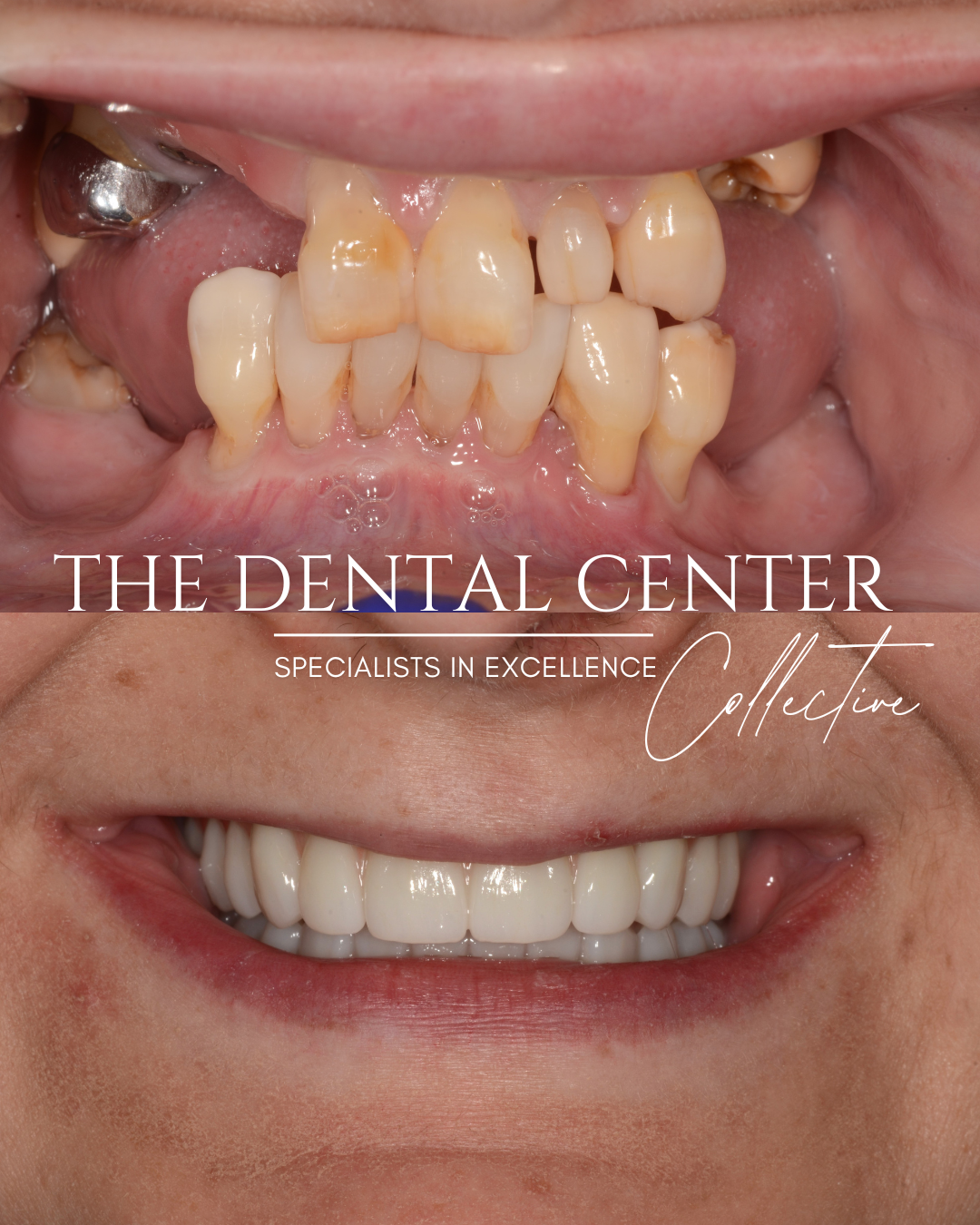
All-on-4 vs. Traditional Dental Implants: Which Is Best for You?
Compare All-on-4 dental implants vs traditional implants. Learn about cost, recovery, longevity, and which option is best for full-arch tooth replacement in NH.
Understanding Your Implant Options
If you’re researching dental implants, you’ve likely come across two common options: All-on-4 dental implants and traditional dental implants. Both can restore missing teeth and improve your quality of life — but they are designed for very different needs.
Patients often ask:
Which option lasts longer?
Which one costs more?
Which one is less invasive?
Which is better if I’m missing most or all of my teeth?
At All-on-4 NH, we help patients from Hanover, Manchester, Dover, and across New Hampshire navigate these decisions every day. This guide explains the differences clearly, so you can make an informed choice that fits your health, goals, and lifestyle.
What Are Traditional Dental Implants?
Traditional dental implants are designed to replace one missing tooth at a time. Each implant consists of a titanium post placed into the jawbone, which acts as an artificial tooth root. Once the implant integrates with the bone, a crown is placed on top.
This approach works extremely well when:
One or a few teeth are missing
The surrounding teeth are healthy
Adequate bone is present at each implant site
However, when many teeth are missing, traditional implants can become complex, time-consuming, and expensive.
What Is the All-on-4 Implant Approach?
All-on-4 is a full-arch implant solution that replaces an entire upper or lower set of teeth using only four strategically placed implants. Two implants are placed vertically in the front of the jaw, and two are angled in the back to maximize bone support.
This technique allows:
Fewer implants to support more teeth
Reduced need for bone grafting
Faster overall treatment time
Immediate placement of temporary teeth in many cases
All-on-4 is often referred to as “teeth in a day” because patients can leave surgery with a functional smile.
Major Differences Between All-on-4 and Traditional Implants
1. Number of Implants Required
Traditional implants typically require one implant per missing tooth or, in some cases, 6–10 implants per arch to support a full bridge. This increases surgical time, healing periods, and overall cost.
All-on-4 uses just four implants to support an entire arch of teeth, making it far more efficient for patients missing most or all of their teeth.
2. Treatment Time and Healing
With traditional implants, treatment often takes 9–18 months when replacing multiple teeth. Each implant may require:
Bone grafting
Healing time after placement
Additional procedures before final crowns are placed
All-on-4 significantly shortens this timeline. Many patients receive:
Implant placement and temporary teeth on the same day
Final teeth within 3–6 months after healing
For patients eager to restore function and confidence quickly, this difference is substantial.
3. Bone Grafting Requirements
Traditional implants require sufficient bone at each implant site. If bone loss is present — which is common in long-term denture wearers — bone grafting is often necessary.
All-on-4 implants are angled strategically to use existing bone, often eliminating the need for bone grafting entirely. This makes All-on-4 an excellent option for patients who were previously told they were “not candidates” for implants.
4. Cost Considerations
Traditional implants can be cost-effective for single-tooth replacement, but costs increase rapidly when multiple implants are needed. Replacing a full arch with traditional implants often becomes prohibitively expensive due to:
Multiple surgeries
Bone grafting
Individual crowns or bridges
All-on-4 is generally more cost-effective for full-arch replacement because it uses fewer implants, fewer surgeries, and a streamlined prosthetic process.
While All-on-4 still represents a significant investment, many patients find it offers better long-term value compared to dentures or extensive traditional implant work.
5. Stability and Daily Function
Traditional implants offer excellent stability for individual teeth. However, when many implants are placed, patients may experience prolonged periods without teeth during healing.
All-on-4 patients typically enjoy:
Immediate stability with temporary teeth
No slipping or adhesives like dentures
Improved ability to chew and speak confidently
This immediate functional improvement is one of the most life-changing aspects of All-on-4 treatment.
6. Maintenance and Longevity
Both All-on-4 and traditional implants are designed to be long-lasting solutions.
Traditional implants, when properly cared for, can last decades. Individual crowns may need replacement over time due to wear.
All-on-4 implants also have excellent longevity, often lasting 20+ years with good oral hygiene and regular dental visits. The prosthetic teeth may need maintenance or replacement over time, similar to any dental restoration.
Which Option Is Better for Full Tooth Loss?
If you are missing most or all of your teeth, All-on-4 is usually the preferred option because it:
Minimizes surgery
Reduces treatment time
Avoids removable dentures
Restores function and aesthetics quickly
Traditional implants are better suited for:
Replacing one or two missing teeth
Patients with strong bone at specific sites
Situations where a full-arch solution is not needed
Common Patient Questions
Is All-on-4 less durable because it uses fewer implants?
No. The implants are strategically placed to distribute biting forces efficiently, providing excellent long-term stability.
Does All-on-4 look natural?
Yes. The prosthetic teeth are custom-designed to match your facial features, smile, and natural tooth shape.
Can I start with dentures and switch to All-on-4 later?
Yes, many patients transition from dentures to All-on-4 when they’re ready for a more permanent solution.
Which option hurts less?
Both procedures are performed with sedation for comfort. All-on-4 often involves less overall surgical trauma due to fewer implants.
Financing and Accessibility
Both traditional implants and All-on-4 represent an investment in your health and quality of life. At All-on-4 NH, we offer:
Flexible monthly financing options
Third-party payment plans
Transparent cost discussions during your consultation
For many patients, All-on-4 provides a more predictable and affordable path to full-mouth restoration.
Making the Right Choice for You
Choosing between All-on-4 and traditional implants depends on:
How many teeth you’re missing
Your bone health
Your desired timeline
Your budget and long-term goals
That’s why a personalized consultation is essential. During your visit, we’ll evaluate your oral health, discuss both options, and help you choose the solution that best fits your needs.
Take the Next Step
If you’re considering dental implants in Hanover, Manchester, or anywhere in New Hampshire, we invite you to take the next step:
Take our 60-second eligibility quiz
Schedule a personalized implant consultation
Learn which option is best for your smile
👉 Visit All-on-4NH.com to get started today.

Replacing Missing Teeth: Your Guide to Restoring Your Smile
Missing teeth can affect your health, confidence, and quality of life. Discover the best tooth replacement options—like dental implants, bridges, and dentures—and learn which treatment is right for you. Explore how modern dentistry can restore your smile with long-lasting results.
Tooth loss is more common than you might think. Whether due to decay, gum disease, trauma, or aging, millions of Americans are missing at least one tooth—and many are missing several. Fortunately, modern dentistry offers effective and lasting solutions to replace missing teeth, restore your smile, and improve your oral health.
In this guide, we'll explore the best tooth replacement options available, their benefits, how they work, and how to choose the right solution for your unique needs.
Why Replace Missing Teeth?
Before diving into your treatment options, it’s important to understand why replacing missing teeth matters—not just cosmetically, but for your overall health.
Missing teeth can lead to:
Bone loss in the jaw due to lack of stimulation
Shifting of surrounding teeth, leading to bite problems
Speech and chewing difficulties
Premature facial aging due to loss of facial structure
Lowered self-esteem from gaps or altered smile
Replacing missing teeth isn’t just about aesthetics—it’s about restoring function, confidence, and preventing long-term oral health issues.
Top Tooth Replacement Options
There are several proven options to replace missing teeth. Each offers unique benefits depending on your goals, budget, and overall dental health.
1. Dental Implants: The Gold Standard
Best for: Long-term, natural-feeling tooth replacement
Dental implants are widely considered the most effective and permanent solution for missing teeth. An implant is a small titanium post that is surgically placed into your jawbone to act as an artificial root. A crown, bridge, or denture is then attached to complete the restoration.
Key Benefits:
Mimics natural tooth structure
Prevents bone loss and preserves facial structure
Doesn’t affect neighboring teeth
Long-lasting (often a lifetime with proper care)
High success rate (over 95%)
Ideal Candidates:
You should have healthy gums, adequate jawbone density, and be in overall good health. Bone grafting may be needed if bone loss has occurred.
Types of Implants:
Single-Tooth Implant for one missing tooth
Implant Bridge for several missing teeth
All-on-4/All-on-X for full-arch restoration using just 4–6 implants
2. Fixed Dental Bridge
Best for: Replacing one or several adjacent teeth
A dental bridge literally “bridges” the gap left by missing teeth. It uses the surrounding teeth as anchors (or abutments) and places an artificial tooth (pontic) in the gap.
Key Benefits:
Restores chewing function and appearance
Faster treatment than implants (no surgery)
Less expensive than implants
Drawbacks:
Requires grinding down healthy teeth to support the bridge
Doesn’t prevent bone loss
May need replacement every 5–15 years
3. Removable Partial Dentures
Best for: Replacing several missing teeth in different areas of the mouth, when implants are not possible
Partial dentures consist of replacement teeth attached to a gum-colored plastic base, often supported by a metal framework that clips onto existing teeth.
Key Benefits:
Affordable
Non-invasive
Easy to remove and clean
Drawbacks:
Less stable than implants or bridges
May affect speech or comfort
Requires frequent adjustments
4. Full Dentures
Best for: Complete tooth loss in the upper or lower jaw
Traditional full dentures sit on top of the gums and are custom made to fit your mouth.
Key Benefits:
Affordable full-mouth solution
Non-surgical
Fast turnaround
Drawbacks:
Can slip or move while eating or speaking
May require adhesives
Bone loss continues underneath
Upgrade Option: Implant-Supported Dentures
Also known as overdentures, these snap onto dental implants for improved stability and comfort. They prevent bone loss and feel more like natural teeth.
How to Choose the Right Tooth Replacement Option
Several factors affect your treatment plan:
1. Number of Missing Teeth
One or two missing teeth: dental implants or bridges
Several missing teeth: implant bridge, partial dentures, or overdentures
Full arch missing: All-on-4, All-on-X, or full dentures
2. Bone Health
Implants require healthy jawbone. Bone grafting may be needed.
Dentures and bridges don’t require bone support.
3. Budget
Dentures and bridges have lower upfront costs.
Implants are more expensive initially but may be more cost-effective long term.
4. Lifestyle and Preferences
Implants offer the closest feel to natural teeth.
Dentures may require more maintenance and lifestyle adjustments.
5. Health Conditions
Chronic health issues like diabetes or smoking can affect implant success.
Non-surgical options may be preferable in these cases.
The Tooth Replacement Process: What to Expect
Your smile journey will involve several key steps:
1. Comprehensive Dental Evaluation
Your dentist or prosthodontist will assess your oral health, take digital scans or X-rays, and recommend the best treatment plan.
2. Treatment Planning
This includes mapping out tooth replacements, scheduling surgery (if needed), and preparing any supporting structures.
3. Procedure
Depending on the treatment, you may undergo:
Implant surgery (with a healing period)
Tooth preparation for bridges
Impressions for dentures or bridges
4. Restoration Placement
Final crowns, bridges, or dentures are custom fabricated and placed.
5. Follow-Up and Maintenance
Regular cleanings, exams, and proper home care ensure long-term success.
Long-Term Care for Your Tooth Replacement
No matter which treatment you choose, good oral hygiene is essential.
Brush and floss daily (or as directed)
Use a water flosser for bridges or implants
Clean dentures thoroughly each day
Visit your dentist regularly for cleanings and exams
Replacing Missing Teeth in New Hampshire?
Visit Our Specialty Dental Clinic
At The Dental Center Collective, we specialize in full-mouth rehabilitation, dental implants, and premium tooth replacement solutions in New Hampshire. Our patient-focused, luxury clinic experience ensures comfort, expertise, and lasting results.
Whether you're missing one tooth or need a complete restoration, we’re here to guide you every step of the way. Schedule a consultation today and take the first step toward a confident, healthy smile.
Frequently Asked Questions
Q: Is it OK to not replace a missing tooth?
A: While it’s possible to live without one, missing teeth can cause long-term damage to your bite, bone, and overall health. Replacing them is highly recommended.
Q: Are dental implants painful?
A: Most patients report minimal discomfort related to pressure or vibration during the procedure. The process is typically done under local anesthesia and healing is well-tolerated.
Q: How long do tooth replacements last?
A: Implants can last a lifetime. Bridges and dentures typically last 5–15 years with proper care. Best practices recommend replacement of removable prostheses every 5 years.