

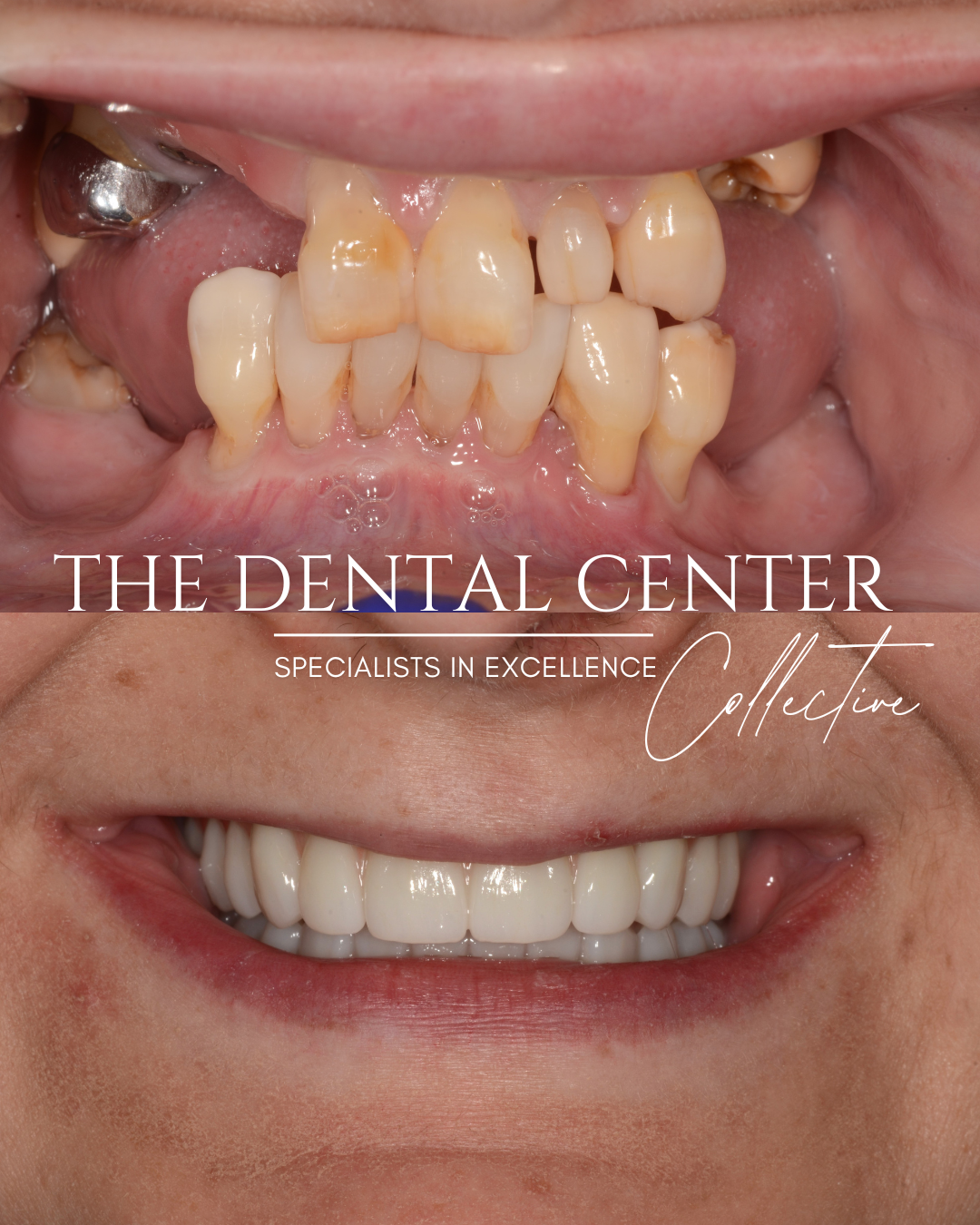
All-on-4 vs. Traditional Dental Implants: Which Is Best for You?
Compare All-on-4 dental implants vs traditional implants. Learn about cost, recovery, longevity, and which option is best for full-arch tooth replacement in NH.
Understanding Your Implant Options
If you’re researching dental implants, you’ve likely come across two common options: All-on-4 dental implants and traditional dental implants. Both can restore missing teeth and improve your quality of life — but they are designed for very different needs.
Patients often ask:
Which option lasts longer?
Which one costs more?
Which one is less invasive?
Which is better if I’m missing most or all of my teeth?
At All-on-4 NH, we help patients from Hanover, Manchester, Dover, and across New Hampshire navigate these decisions every day. This guide explains the differences clearly, so you can make an informed choice that fits your health, goals, and lifestyle.
What Are Traditional Dental Implants?
Traditional dental implants are designed to replace one missing tooth at a time. Each implant consists of a titanium post placed into the jawbone, which acts as an artificial tooth root. Once the implant integrates with the bone, a crown is placed on top.
This approach works extremely well when:
One or a few teeth are missing
The surrounding teeth are healthy
Adequate bone is present at each implant site
However, when many teeth are missing, traditional implants can become complex, time-consuming, and expensive.
What Is the All-on-4 Implant Approach?
All-on-4 is a full-arch implant solution that replaces an entire upper or lower set of teeth using only four strategically placed implants. Two implants are placed vertically in the front of the jaw, and two are angled in the back to maximize bone support.
This technique allows:
Fewer implants to support more teeth
Reduced need for bone grafting
Faster overall treatment time
Immediate placement of temporary teeth in many cases
All-on-4 is often referred to as “teeth in a day” because patients can leave surgery with a functional smile.
Major Differences Between All-on-4 and Traditional Implants
1. Number of Implants Required
Traditional implants typically require one implant per missing tooth or, in some cases, 6–10 implants per arch to support a full bridge. This increases surgical time, healing periods, and overall cost.
All-on-4 uses just four implants to support an entire arch of teeth, making it far more efficient for patients missing most or all of their teeth.
2. Treatment Time and Healing
With traditional implants, treatment often takes 9–18 months when replacing multiple teeth. Each implant may require:
Bone grafting
Healing time after placement
Additional procedures before final crowns are placed
All-on-4 significantly shortens this timeline. Many patients receive:
Implant placement and temporary teeth on the same day
Final teeth within 3–6 months after healing
For patients eager to restore function and confidence quickly, this difference is substantial.
3. Bone Grafting Requirements
Traditional implants require sufficient bone at each implant site. If bone loss is present — which is common in long-term denture wearers — bone grafting is often necessary.
All-on-4 implants are angled strategically to use existing bone, often eliminating the need for bone grafting entirely. This makes All-on-4 an excellent option for patients who were previously told they were “not candidates” for implants.
4. Cost Considerations
Traditional implants can be cost-effective for single-tooth replacement, but costs increase rapidly when multiple implants are needed. Replacing a full arch with traditional implants often becomes prohibitively expensive due to:
Multiple surgeries
Bone grafting
Individual crowns or bridges
All-on-4 is generally more cost-effective for full-arch replacement because it uses fewer implants, fewer surgeries, and a streamlined prosthetic process.
While All-on-4 still represents a significant investment, many patients find it offers better long-term value compared to dentures or extensive traditional implant work.
5. Stability and Daily Function
Traditional implants offer excellent stability for individual teeth. However, when many implants are placed, patients may experience prolonged periods without teeth during healing.
All-on-4 patients typically enjoy:
Immediate stability with temporary teeth
No slipping or adhesives like dentures
Improved ability to chew and speak confidently
This immediate functional improvement is one of the most life-changing aspects of All-on-4 treatment.
6. Maintenance and Longevity
Both All-on-4 and traditional implants are designed to be long-lasting solutions.
Traditional implants, when properly cared for, can last decades. Individual crowns may need replacement over time due to wear.
All-on-4 implants also have excellent longevity, often lasting 20+ years with good oral hygiene and regular dental visits. The prosthetic teeth may need maintenance or replacement over time, similar to any dental restoration.
Which Option Is Better for Full Tooth Loss?
If you are missing most or all of your teeth, All-on-4 is usually the preferred option because it:
Minimizes surgery
Reduces treatment time
Avoids removable dentures
Restores function and aesthetics quickly
Traditional implants are better suited for:
Replacing one or two missing teeth
Patients with strong bone at specific sites
Situations where a full-arch solution is not needed
Common Patient Questions
Is All-on-4 less durable because it uses fewer implants?
No. The implants are strategically placed to distribute biting forces efficiently, providing excellent long-term stability.
Does All-on-4 look natural?
Yes. The prosthetic teeth are custom-designed to match your facial features, smile, and natural tooth shape.
Can I start with dentures and switch to All-on-4 later?
Yes, many patients transition from dentures to All-on-4 when they’re ready for a more permanent solution.
Which option hurts less?
Both procedures are performed with sedation for comfort. All-on-4 often involves less overall surgical trauma due to fewer implants.
Financing and Accessibility
Both traditional implants and All-on-4 represent an investment in your health and quality of life. At All-on-4 NH, we offer:
Flexible monthly financing options
Third-party payment plans
Transparent cost discussions during your consultation
For many patients, All-on-4 provides a more predictable and affordable path to full-mouth restoration.
Making the Right Choice for You
Choosing between All-on-4 and traditional implants depends on:
How many teeth you’re missing
Your bone health
Your desired timeline
Your budget and long-term goals
That’s why a personalized consultation is essential. During your visit, we’ll evaluate your oral health, discuss both options, and help you choose the solution that best fits your needs.
Take the Next Step
If you’re considering dental implants in Hanover, Manchester, or anywhere in New Hampshire, we invite you to take the next step:
Take our 60-second eligibility quiz
Schedule a personalized implant consultation
Learn which option is best for your smile
👉 Visit All-on-4NH.com to get started today.

Dental Implants vs. Dentures: The Real Cost of Confidence
When it comes to replacing missing teeth, many patients wonder whether dentures or dental implants are the right choice. While dentures may seem more affordable at first, they often come with hidden costs — slipping, discomfort, adhesives, and frequent replacements. Dental implants, on the other hand, provide a secure, natural-looking solution that can last decades while protecting your bone and facial structure.
This isn’t just about restoring your teeth — it’s about restoring your confidence, your diet, and your ability to live life without worry. If you’re ready to eat what you love again, smile freely, and enjoy the security of teeth that feel like your own, The Dental Center Collective can help you understand the difference implants can make.
A confident smile is priceless — and it’s never too late to invest in yours.
If you’ve lost one or more teeth, you’ve probably wondered whether dentures or dental implants are the better choice. At first glance, dentures seem more affordable — but when you consider comfort, long-term cost, and quality of life, implants often come out ahead.
Here’s a breakdown to help you make an informed, confident decision.
The Hidden Costs of Traditional Dentures
While dentures cost less initially, they often come with ongoing expenses:
Frequent relines or replacements due to bone loss
Adhesive products
Cleaning solutions and special maintenance
Possible dietary restrictions (softer foods, limited chewing ability)
Over 10–15 years, the cost of maintaining dentures often surpasses that of implants.
The Problem with Bone Loss
When teeth are missing, the jawbone begins to deteriorate. This causes dentures to loosen over time, making it harder to talk or eat comfortably. Dental implants, however, preserve the bone by mimicking a natural tooth root — keeping your face structure intact and your bite strong.
Comfort and Confidence in Daily Life
Imagine laughing with friends, eating in public, or giving a presentation without worrying that your dentures might slip. Implant-supported teeth are securely anchored, so you can live life without fear or discomfort.
Many patients say they feel like they have their natural teeth again — a freedom no removable denture can match.
Long-Term Investment in Health
Because implants stimulate the bone, they help prevent the sunken facial appearance often associated with aging. That means fewer wrinkles around the mouth and better support for lips and cheeks.
In addition, being able to chew a full range of foods contributes to better nutrition, digestion, and overall wellness.
Cost Comparison at a Glance
When comparing dentures and dental implants, there are several key differences to consider. Dentures typically have a lower initial cost, but over time, expenses add up due to frequent relines, replacements, adhesives, and specialized cleaning products. They can slip or irritate gums, don’t preserve bone, and usually need to be replaced every 5–10 years. In contrast, dental implants have a higher upfront cost, but they offer long-term value: they feel and function like natural teeth, preserve jawbone, and generally last 20 years or more with normal brushing and flossing. Implants also eliminate the need for adhesives or special maintenance and provide stability for everyday activities like eating, speaking, and smiling. For many patients over 55, the increased comfort, confidence, and longevity of implants make them a worthwhile investment compared with traditional dentures.
Who’s a Good Candidate for Implants?
Most adults in good general health can get implants, even those with some bone loss thanks to modern techniques like All-on-4.
If you’ve worn dentures for years, you may still be eligible for implants. A 3D scan can determine your options in minutes.
The Bottom Line
While dentures remain a valid option for some, dental implants offer unmatched comfort, confidence, and long-term value. They’re not just an investment in your smile — they’re an investment in how you live every day.