


How All-on-4 Dental Implants Work: A Step-by-Step Timeline from Consultation to Final Teeth
Implant-supported dentures improve chewing efficiency and bite force compared to traditional dentures, offering a stable, long-term solution for missing teeth.
Knowing What to Expect Makes Everything Easier
One of the biggest reasons patients delay All-on-4 treatment is uncertainty. They ask:
How long does this actually take?
What happens on surgery day?
Will I have teeth while I heal?
When do I get my final smile?
All-on-4 dental implants are designed to be efficient, predictable, and patient-friendly, especially when compared to traditional implant approaches. At All-on-4 NH, we guide patients from Hanover, Manchester, Dover, and across New Hampshire through a clear, structured process so there are no surprises.
This article walks you through the entire All-on-4 timeline, from your first visit to your final set of teeth.
Step 1: Initial Consultation and Evaluation
Your journey begins with a comprehensive implant consultation. This visit is focused on understanding your goals and determining whether All-on-4 is right for you.
During this appointment, your dental team will:
Review your medical and dental history
Discuss your concerns and expectations
Perform a detailed oral examination
Take 3D imaging (CBCT scan) to evaluate bone structure
Determine candidacy and answer questions
You’ll also discuss which hub location — Hanover or Manchester — is most convenient for ongoing care and surgery.
This appointment is not about pressure. It’s about clarity.
Step 2: Personalized Treatment Planning
If you’re a candidate, your care team will design a customized treatment plan. No two All-on-4 cases are identical.
Your plan includes:
Implant placement strategy
Prosthetic design (shape, size, shade of teeth)
Sedation and comfort options
Surgical timeline
Financial and financing details
At this stage, patients often feel relief — they finally understand the process and can visualize the end result.
Step 3: Pre-Surgical Preparation
Before surgery, you’ll receive clear instructions to help everything go smoothly.
Preparation may include:
Medication adjustments (if needed)
Antibiotics or rinses before surgery
Arranging transportation on surgery day
Planning time off work and soft foods
Your patient coordinator will stay in close contact to ensure you feel confident and prepared.
Step 4: Surgery Day — Implant Placement and Temporary Teeth
This is often the most anxiety-producing step — and also the most misunderstood.
On surgery day:
Sedation or anesthesia is administered for comfort
Any remaining failing teeth are gently removed
Four implants are placed strategically in the jaw
A temporary, fixed set of teeth is attached
Most patients are surprised by how comfortable the experience is and relieved to leave with a functional smile the same day.
This is why All-on-4 is often referred to as “teeth in a day.”
Step 5: Immediate Post-Surgery Recovery
After surgery, it’s normal to experience:
Mild to moderate swelling
Soreness for several days
Minor bruising
Your dental team will provide:
Pain management instructions
Medications if needed
Detailed oral hygiene guidance
Dietary recommendations
Most patients return to light activities within a few days.
Step 6: Healing and Osseointegration (3–6 Months)
This phase is critical. During healing:
The implants fuse with the jawbone
Soft tissues adapt to the new prosthetic
Bite and comfort are monitored
You’ll wear your temporary teeth during this time. They look great but are designed to protect the implants while healing occurs.
Follow-up visits allow your team to:
Monitor implant stability
Make minor adjustments
Ensure proper hygiene and healing
Step 7: Final Teeth Design and Placement
Once healing is complete, your permanent prosthetic is created.
This phase includes:
Digital impressions
Bite and esthetic refinement
Shade and shape customization
Final placement of your permanent teeth
The final teeth are stronger, more durable, and highly polished for long-term use.
Step 8: Life with All-on-4
After final placement, most patients describe a dramatic improvement in quality of life.
You can expect:
Improved chewing and nutrition
Clear speech
Confidence when smiling and socializing
No adhesives or removable dentures
Regular maintenance visits help ensure your implants remain healthy for decades.
Common Timeline Questions
How long does the entire process take?
Typically 3–6 months from surgery to final teeth.
Will I ever be without teeth?
No. Most patients leave surgery with fixed temporary teeth.
When can I eat normally?
Soft foods initially, with gradual progression. Normal eating resumes after final teeth placement.
How many visits are required?
Fewer visits than traditional implant approaches due to streamlined planning.
Financing and Planning Your Timeline
All-on-4 is an investment in your health and confidence. At All-on-4 NH, we offer:
Transparent pricing
Flexible monthly financing
Personalized scheduling to fit your life
Many patients choose to begin treatment sooner than expected once they understand how manageable the process is.
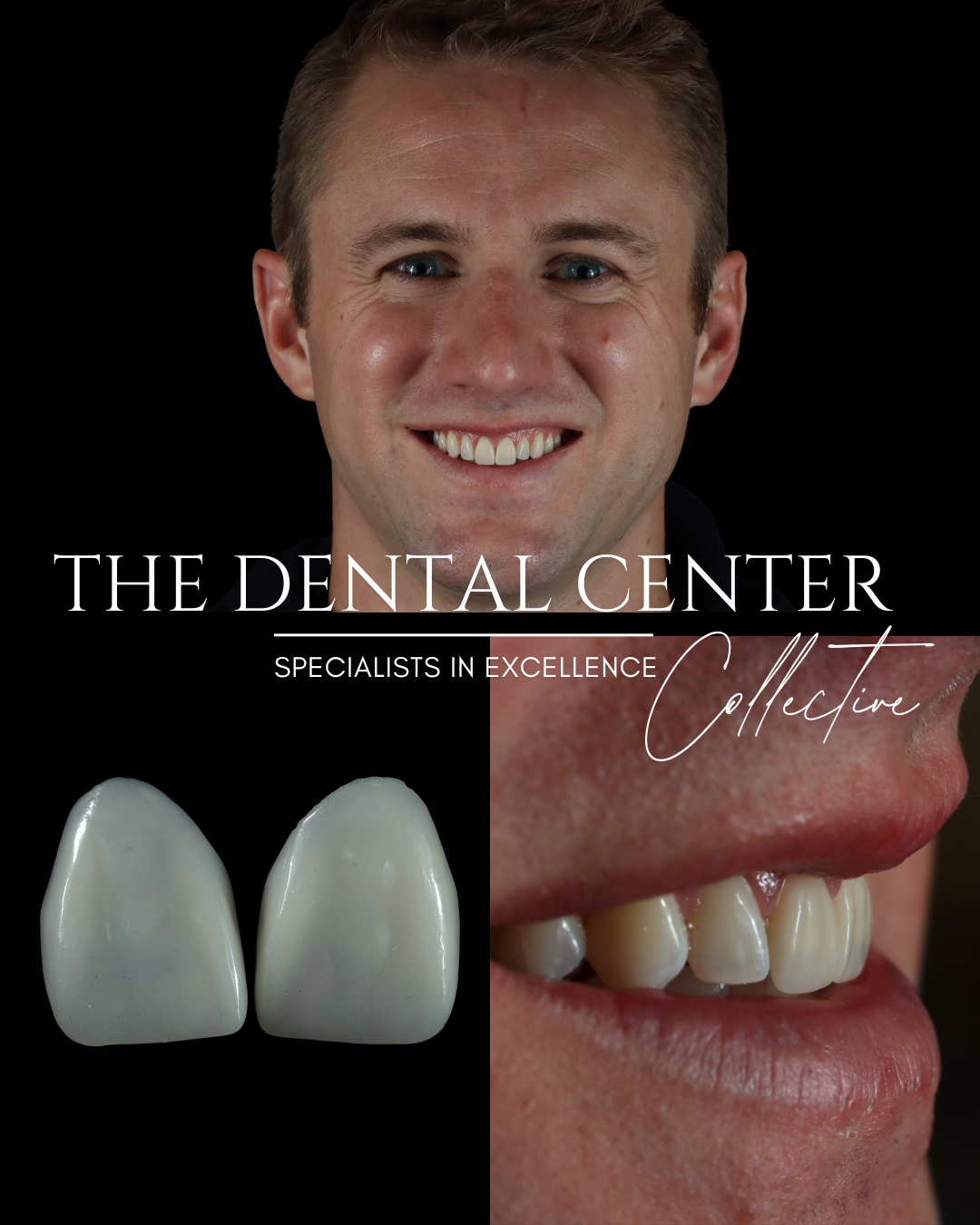
Dental Veneers: What They Are, How They Work, and Whether They’re Right for You
Learn what dental veneers are, how they work, their benefits, lifespan, and whether they’re right for your smile. A complete patient guide to porcelain veneers.
If you’ve ever wished your teeth were whiter, straighter, or more even, you’re not alone. Dental veneers are one of the most popular cosmetic dentistry treatments because they can dramatically improve a smile while still looking natural.
But veneers are also one of the most misunderstood procedures. Many patients wonder:
Are veneers fake looking?
Do they ruin your teeth?
How long do they last?
Are they just for celebrities?
In this guide, we’ll explain what dental veneers are, who they’re for, how the process works, and what you should know before deciding if veneers are right for you.
What Are Dental Veneers?
Dental veneers are thin shells of porcelain or composite resin that are bonded to the front surface of your teeth. They are custom-made to match your natural teeth in color, shape, and size.
Veneers are designed to improve the appearance of teeth that are:
Chipped or worn
Discolored or stained
Uneven or misshapen
Gapped
Slightly crooked
Restored with large old fillings
Damaged from trauma
Unlike crowns, which cover the entire tooth, veneers only cover the front surface. This allows for a more conservative and cosmetic-focused approach.
What Problems Can Veneers Fix?
Veneers are extremely versatile. They are commonly used to treat:
1. Discoloration That Won’t Whiten
Some stains don’t respond to whitening, especially:
Tetracycline staining
Deep internal discoloration
Dark teeth from trauma or root canal treatment
Veneers can mask these stains and create a permanently brighter smile.
2. Chipped or Broken Teeth
Teeth that are chipped from wear, grinding, or trauma can often be restored with veneers rather than crowns.
3. Gaps Between Teeth
Small spaces between teeth can be closed with veneers without orthodontics in certain cases.
4. Uneven or Worn Teeth
Over time, teeth can become shorter or flatter due to grinding or acid wear. Veneers can restore length and symmetry.
5. Mild Crookedness
For patients who want fast cosmetic improvement and are not candidates for orthodontics, veneers can sometimes visually straighten teeth.
Types of Veneers
Porcelain Veneers
Porcelain veneers are the most durable and natural-looking option.
Benefits:
Highly stain resistant
Strong and long-lasting
Very natural translucency
Custom crafted by a dental lab
Porcelain veneers typically last 10–15 years or longer with good care.
2. Composite Veneers
Composite veneers are made from tooth-colored resin and placed directly on the teeth.
Benefits:
Less expensive than porcelain
Can often be done in one visit
Less tooth reduction required
They do not last as long as porcelain veneers and may stain over time.
The Veneer Process: Step by Step
One of the biggest fears patients have is not knowing what to expect. Here’s how the veneer process usually works:
Step 1: Consultation and Smile Planning
This is the most important step. Your dentist will:
Examine your teeth and bite
Take photos and digital scans
Discuss your goals
Evaluate gum health and jaw function
In many practices, digital smile design or mockups can show you what your new smile may look like before any work is done.
Step 2: Tooth Preparation
A small amount of enamel is removed from the front of the teeth to make room for the veneers. This ensures they don’t look bulky.
Local anesthesia is used, and the procedure is typically comfortable.
Step 3: Temporary Veneers
Temporary veneers are placed while your permanent veneers are being made. These allow you to:
Preview your smile
Test function and comfort
Give feedback on shape and size
Step 4: Final Veneer Placement
When the permanent veneers arrive:
They are tried in for fit and color
Adjustments are made
They are permanently bonded in place
This appointment usually takes 1–2 hours.
Do Veneers Look Natural?
When properly designed, veneers should not look fake. The most natural veneers:
Have slight translucency
Are shaped to match your face
Follow natural tooth proportions
Respect your bite and lip movement
Problems happen when veneers are:
Too thick
Too white
Poorly shaped
Placed without proper planning
A skilled cosmetic dentist will design veneers that look like healthy natural teeth — not “piano keys.”
Do Veneers Damage Your Teeth?
This is a common myth. Veneers do not ruin healthy teeth when properly planned and placed.
However, it is important to understand:
Veneers are not reversible
Enamel is permanently altered
Teeth will always need some form of coverage after veneers
That’s why proper case selection is critical. Veneers should only be placed when:
Teeth are structurally healthy
Gum health is stable
Bite forces are controlled
Long-term maintenance is understood
In the right hands, veneers can actually protect weakened or worn teeth.
How Long Do Veneers Last?
Porcelain veneers typically last 10–15 years, and sometimes longer.
Their lifespan depends on:
Oral hygiene
Grinding or clenching habits
Diet (hard foods, ice chewing)
Regular dental visits
Patients who grind their teeth may need a night guard to protect their veneers.
Are Veneers Painful?
Most patients report little to no pain during the veneer process.
Local anesthesia is used during tooth preparation
Temporary veneers protect the teeth
Sensitivity is usually mild and temporary
If sensitivity occurs, it typically resolves within days to weeks.
Who Is a Good Candidate for Veneers?
You may be a good candidate if:
Your teeth are healthy
Your gums are healthy
You want cosmetic improvement
You understand long-term maintenance
You don’t have uncontrolled grinding
You have realistic expectations
You may not be a candidate if:
You have advanced gum disease
You have untreated decay
You have severe bite problems
You grind heavily without protection
In those cases, other treatments may be recommended first.
Veneers vs. Crowns: What’s the Difference?
VeneersCrownsCover the front surfaceCover the entire toothMore conservativeMore tooth reductionPrimarily cosmeticCosmetic and structuralBest for healthy teethBest for damaged teeth
Your dentist will recommend the option that best protects your tooth long-term.
Veneers vs. Whitening
Teeth whitening can brighten natural teeth, but:
It cannot fix shape
It cannot fix chips
It cannot fix alignment
It cannot mask deep stains
Veneers can change:
Color
Shape
Size
Symmetry
Alignment appearance
For some patients, whitening is enough. For others, veneers provide a more complete transformation.
Caring for Veneers
Veneers are cared for like natural teeth:
Brush twice daily
Floss daily
Avoid biting hard objects
Wear a night guard, if recommended
See your dentist regularly
They cannot decay, but the underlying tooth can. Good hygiene is essential.
Common Myths About Veneers
Myth: Veneers look fake
Truth: Poorly done veneers look fake. Well-designed veneers look natural.
Myth: Veneers are only for celebrities
Truth: Veneers are common among everyday patients who want to improve their smile.
Myth: Veneers always require shaving teeth down to pegs
Truth: Modern veneers require minimal enamel reduction in many cases.
Myth: Veneers are purely cosmetic and unnecessary
Truth: Veneers can restore function and protect damaged teeth in addition to improving appearance.
Is Getting Veneers a Big Decision?
Yes — and it should be.
Veneers are a long-term investment in your smile and your oral health. A good veneer plan should consider:
Facial balance
Gum health
Bite stability
Longevity
Maintenance
Esthetics
This is not a one-size-fits-all procedure.
Final Thoughts: Are Veneers Worth It?
For the right patient, veneers can be life-changing. They can:
Improve confidence
Restore worn or damaged teeth
Create a balanced, healthy-looking smile
Provide long-lasting results
But they should never be rushed or poorly planned. The best results come from careful diagnosis, conservative preparation, and thoughtful design.
If you’re considering veneers, the most important step is a thorough consultation with a dentist who understands both esthetics and function.
Frequently Asked Questions About Veneers
How many veneers do I need?
It depends on your smile. Some patients need only two veneers, others need six to ten for symmetry.
Can veneers fall off?
Properly bonded veneers rarely fall off. Trauma or grinding can increase the risk.
Can I whiten veneers later?
No. Veneers do not whiten. Color must be chosen carefully before placement.
Are veneers covered by insurance?
Most veneers are considered cosmetic and not covered, though exceptions exist when restoring damaged teeth.
Ready to Take the Next Step?
A veneer consultation allows your dentist to evaluate your teeth, discuss your goals, and determine whether veneers are the right solution for your smile.
A great smile is not about perfection — it’s about balance, health, and confidence.
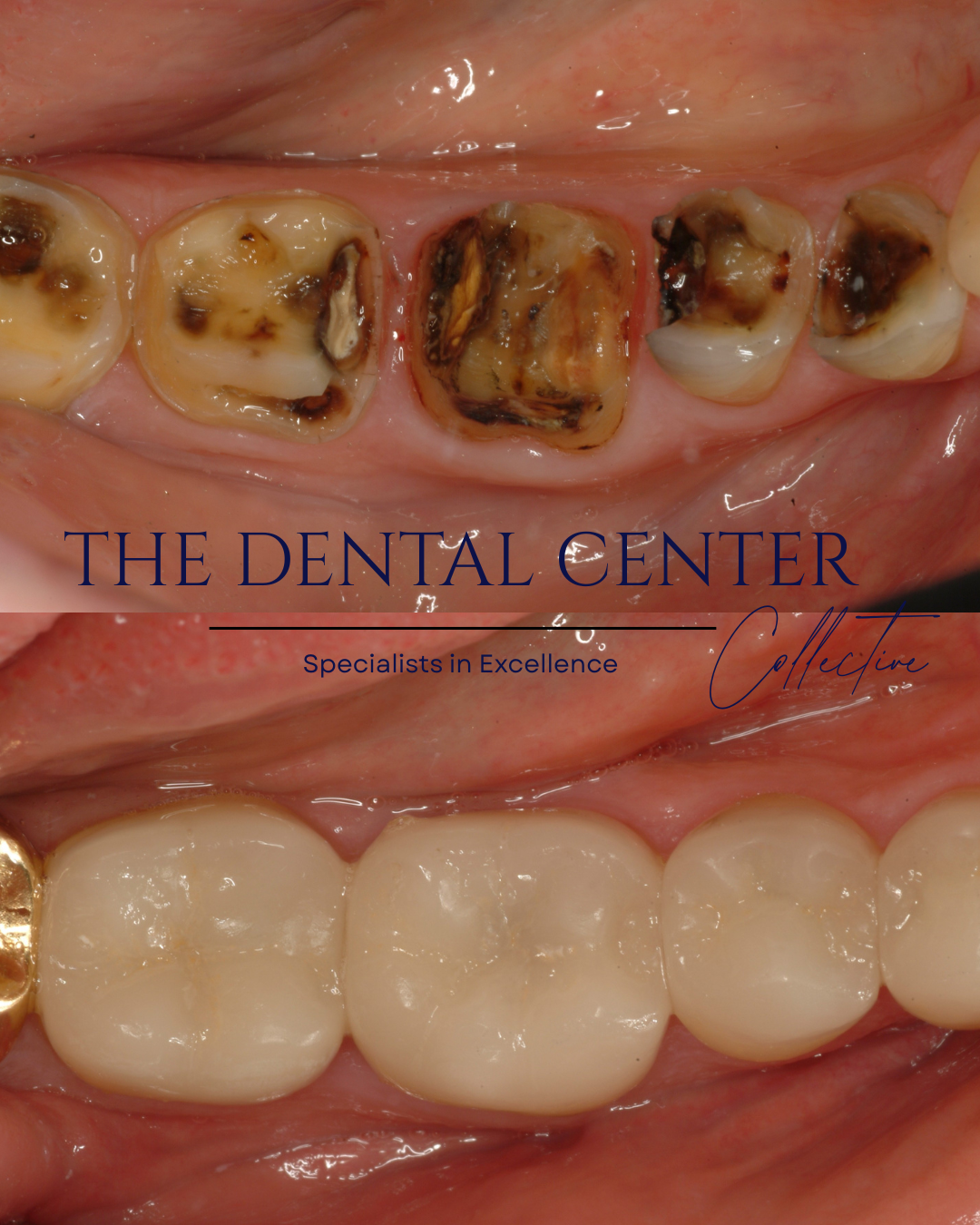
Do I Need a Crown or a Filling? How to Know Which Treatment Is Right for Your Tooth
Learn whether you need a dental crown or filling based on decay size, cracks, and tooth strength. Understand treatment options and protect your long-term oral health.
When you’re told that you need dental treatment, one of the most common questions is: “Do I really need a crown, or will a filling be enough?”
It’s a fair question. Both fillings and crowns restore teeth, but they do so in very different ways. The right choice depends on the amount of damage, location of the tooth, existing restorations, risk of future fracture, and long-term prognosis. Understanding the difference helps you make a confident decision about your oral health, your investment, and your long-term comfort.
In this guide, we’ll break down how dentists determine whether a filling or a crown is appropriate, what each procedure involves, and how to know which option gives your tooth the best chance of long-lasting success.
What a Filling Does: Repairing Small to Moderate Decay
A filling—whether composite (tooth-colored) or amalgam—is designed to replace tooth structure lost to decay or small fractures.
Fillings are appropriate when:
The cavity is small to moderate in size
The tooth structure around the decay is strong
There are no large cracks
The tooth hasn’t already been heavily restored
The decay hasn’t spread under an existing restoration
How Fillings Work
The dentist removes the decayed portion of the tooth and replaces that missing portion with a durable restorative material. Composite resin bonds directly to the tooth, which helps maintain strength and prevent leakage.
Advantages of Fillings
Minimally invasive
Preserves more natural tooth structure
Often completed in one visit
Lower cost compared to a crown
Great longevity when conditions are right
Limitations of Fillings
Filling materials rely on remaining strong enamel for stability. When too much structure is gone, or the tooth is cracked, a filling simply can’t reinforce the tooth enough to prevent future breakage.
This is often where patients feel confused—because a filling is “smaller” treatment, but it isn’t always the safer option.
What a Crown Does: Protecting a Weakened Tooth
A crown covers the entire visible surface of the tooth like a strong, protective shell.
Crowns are recommended when:
The tooth has large decay or a large existing filling
There are visible cracks (like cracked tooth syndrome)
The enamel is weakened or missing
A portion of the tooth has fractured
The tooth has undergone root canal therapy
You need long-term reinforcement to prevent breaking
How Crowns Work
A crown is custom-designed to fit over the tooth, restoring its shape, function, and strength. Modern crowns—such as zirconia or e.max—are extremely strong and lifelike.
Advantages of Crowns
Reinforces the entire tooth
Prevents fractures and catastrophic tooth loss
Excellent long-term durability
Restores chewing efficiency and comfort
Ideal for teeth with cracks or after root canal
Limitations of Crowns
More of the tooth must be shaped compared to a filling
Higher cost
Usually requires two visits (unless your office offers same-day crowns)
Still, for many teeth, a crown provides far better longevity and reduces the risk of an emergency break that might require more extensive treatment later.
How Dentists Decide: Key Factors That Determine the Best Option
Patients sometimes believe dentists “just pick one,” but the decision is based on specific structural, biological, and mechanical factors. Here are the main considerations your provider is evaluating:
1. Size of the Cavity or Filling
The larger the area of decay, the more likely the tooth will benefit from a crown.
Small decay → Filling
Moderate decay → Gray area; may depend on tooth location
Large decay → Crown (filling would be unstable)
A large filling acts like a plug instead of reinforcement, increasing the risk of the tooth breaking later.
2. Presence of Cracks
Cracks change everything. Even if the cavity is small, a crack in the tooth can spread under pressure from chewing. A crown helps hold the tooth together, preventing it from splitting. Fillings cannot stop cracks from propagating.
3. Location of the Tooth
Back teeth (molars and premolars) take 80% of chewing force. They’re more prone to breaking when compromised. Front teeth usually tolerate fillings better because they experience lighter forces.
4. Structural Integrity After Decay Removal
Sometimes dentists can’t determine crown vs. filling until the decay is cleaned out. What remains must be thick, solid, and continuous. If removing decay leaves thin walls or unsupported cusps, a crown becomes the safer option.
5. Existing Restorations
A tooth can only hold so many fillings before it becomes structurally weak.
Teeth with:
Large fillings
Multiple previous fillings
Recurrent decay under old restorations
…usually require a crown for predictable long-term success.
6. Root Canal Treatment
Any tooth that has undergone a root canal becomes more brittle. Crowning these teeth significantly reduces the risk of fractures—sometimes catastrophic fractures that make the tooth non-restorable.
What Happens If You Choose a Filling When a Crown Was Needed?
This is the scenario dentists try hardest to avoid.
A tooth that should have been crowned but instead receives a filling is at risk for:
Cracking
Breaking during chewing
Needing a root canal
Losing more tooth structure
Needing emergency care later
Becoming non-restorable
Patients often say: “Why didn’t the filling fix it?” Because the filling cannot strengthen the tooth—it only replaces missing structure. If the tooth is weak, a filling is simply not enough.
What Happens If You Choose a Crown When a Filling Would Have Worked?
In this case, you may simply be overtreating. However, a crown will still protect the tooth and provide durability, even if a filling would have been adequate. It’s less risky than the reverse situation.
Good dentists will always explain the why behind their recommendation and use intraoral photos or digital scans so you can see the condition of the tooth yourself.
How to Feel Confident in Your Treatment Decision
Here are the signs your dentist is giving you a thoughtful, evidence-based recommendation:
🔹 They show you photos of the tooth
🔹 They explain the extent of damage
🔹 They discuss long-term expectations
🔹 They outline risks of both options
🔹 They respond openly to questions
🔹 They prioritize preserving natural tooth structure when appropriate
A transparent, visual explanation builds trust and helps you understand exactly why a crown or filling is recommended.
Bottom Line
Fillings and crowns are both excellent treatments—but they serve very different purposes.
Fillings are best for small to moderate decay and small fractures.
Crowns are best for large decay, cracks, weakened enamel, or after root canal therapy.
Choosing the right treatment protects your long-term dental health, prevents emergencies, and ensures you can chew comfortably and confidently for years.
If you’re unsure which option is right for you, ask to see images of your tooth and discuss long-term pros and cons. Your smile—and your investment—are worth making the most informed choice.