

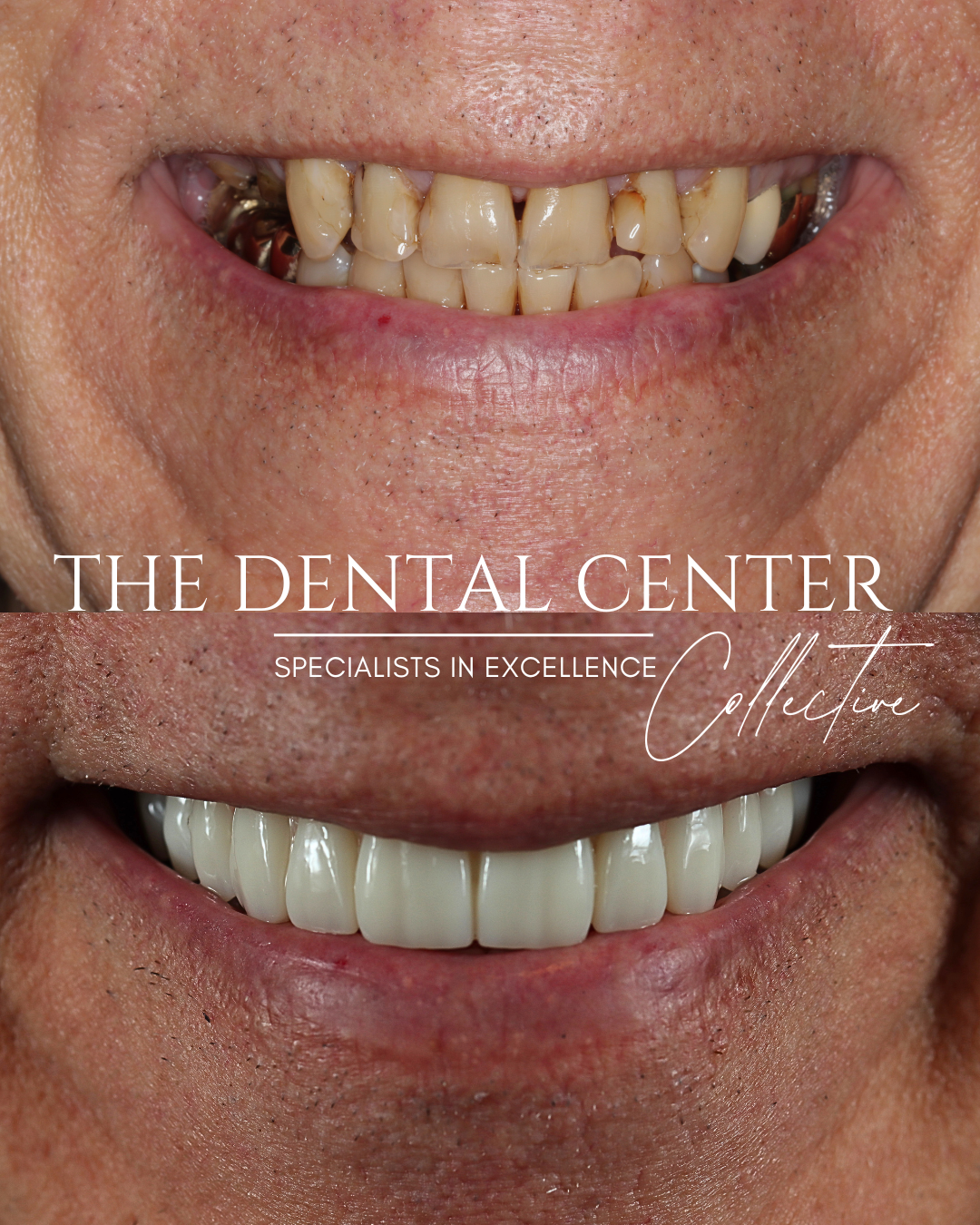
All-on-4 Recovery: What to Expect Day by Day After Surgery
Recovery after All-on-4 dental implant surgery is typically faster than many patients expect. Most people experience mild to moderate swelling, bruising, and soreness for the first 3–5 days, with the peak swelling usually occurring around day 2 or 3. Patients are generally able to return to light daily activities within a few days, though a soft-food diet is recommended for several weeks to protect the healing implants. Temporary teeth are often placed the same day, allowing patients to leave with a functional new smile while the implants integrate with the jawbone. Full healing and implant integration can take several months, but with proper aftercare, regular follow-up visits, and good oral hygiene, most patients find All-on-4 recovery manageable and life-changing.
Introduction: Recovery Is Often Easier Than Expected
Fear of recovery is one of the biggest reasons patients delay All-on-4 treatment. They imagine:
Severe pain
Long downtime
Being unable to function
In reality, most patients report that recovery is far more manageable than expected, especially compared to years of dental discomfort. This guide walks through the typical All-on-4 recovery timeline, so you know exactly what to expect.
Surgery Day: What Happens Immediately After
After surgery:
You’ll leave with fixed temporary teeth
You’ll feel groggy if sedation was used
Swelling begins within hours
You’ll receive:
Detailed written instructions
Medications if needed
Emergency contact information
Most patients rest at home the remainder of the day.
Days 1–3: Peak Swelling and Adjustment
This is typically the most noticeable recovery period. You may experience:
Swelling (often peaks around day 2–3)
Mild to moderate soreness
Bruising in some cases
Helpful tips:
Ice packs as directed
Soft foods only
Stay hydrated
Avoid strenuous activity
Pain is usually well-controlled.
Days 4–7: Rapid Improvement
Most patients notice:
Swelling decreasing
Improved comfort
Better speech clarity
Many return to:
Work
Social activities
Light exercise
Temporary teeth may feel bulky at first — this improves as tissues adapt.
Weeks 2–4: Healing and Normalization
During this phase:
Soft tissue continues healing
Temporary teeth feel more natural
Diet expands slightly (still avoiding hard foods)
Follow-up visits ensure:
Proper healing
Bite stability
Hygiene guidance
Months 2–4: Osseointegration Phase
Behind the scenes:
Implants fuse with the jawbone
Bone becomes stronger around implants
You may feel:
Very normal day-to-day
Confident socially
This phase is critical — following diet and hygiene instructions protects long-term success.
Final Teeth Placement: The Finish Line
Once healing is complete:
Final impressions are taken
Bite and esthetics refined
Permanent teeth are placed
Most patients describe this moment as life-changing.
Common Recovery Questions
Will I be in pain?
Discomfort is usually mild to moderate and short-lived.
How long before I can eat normally?
Gradual progression — full chewing after final teeth.
Will people notice?
Most people won’t know you had surgery unless you tell them.
Why Recovery Is Often Easier Than Expected
Because All-on-4:
Reduces the number of surgeries
Avoids grafting in many cases
Uses fixed teeth immediately
Patients avoid many of the challenges seen with traditional implant approaches.
Take the First Step with Confidence
If fear of recovery is holding you back, education is the antidote. If you’re exploring All-on-4 dental implants in Hanover, Manchester, Dover, or across New Hampshire, the next step is simple.
👉 Visit All-on-4NH.com to take the eligibility quiz or schedule a consultation.
How All-on-4 Dental Implants Work: A Step-by-Step Timeline from Consultation to Final Teeth
Implant-supported dentures improve chewing efficiency and bite force compared to traditional dentures, offering a stable, long-term solution for missing teeth.
Knowing What to Expect Makes Everything Easier
One of the biggest reasons patients delay All-on-4 treatment is uncertainty. They ask:
How long does this actually take?
What happens on surgery day?
Will I have teeth while I heal?
When do I get my final smile?
All-on-4 dental implants are designed to be efficient, predictable, and patient-friendly, especially when compared to traditional implant approaches. At All-on-4 NH, we guide patients from Hanover, Manchester, Dover, and across New Hampshire through a clear, structured process so there are no surprises.
This article walks you through the entire All-on-4 timeline, from your first visit to your final set of teeth.
Step 1: Initial Consultation and Evaluation
Your journey begins with a comprehensive implant consultation. This visit is focused on understanding your goals and determining whether All-on-4 is right for you.
During this appointment, your dental team will:
Review your medical and dental history
Discuss your concerns and expectations
Perform a detailed oral examination
Take 3D imaging (CBCT scan) to evaluate bone structure
Determine candidacy and answer questions
You’ll also discuss which hub location — Hanover or Manchester — is most convenient for ongoing care and surgery.
This appointment is not about pressure. It’s about clarity.
Step 2: Personalized Treatment Planning
If you’re a candidate, your care team will design a customized treatment plan. No two All-on-4 cases are identical.
Your plan includes:
Implant placement strategy
Prosthetic design (shape, size, shade of teeth)
Sedation and comfort options
Surgical timeline
Financial and financing details
At this stage, patients often feel relief — they finally understand the process and can visualize the end result.
Step 3: Pre-Surgical Preparation
Before surgery, you’ll receive clear instructions to help everything go smoothly.
Preparation may include:
Medication adjustments (if needed)
Antibiotics or rinses before surgery
Arranging transportation on surgery day
Planning time off work and soft foods
Your patient coordinator will stay in close contact to ensure you feel confident and prepared.
Step 4: Surgery Day — Implant Placement and Temporary Teeth
This is often the most anxiety-producing step — and also the most misunderstood.
On surgery day:
Sedation or anesthesia is administered for comfort
Any remaining failing teeth are gently removed
Four implants are placed strategically in the jaw
A temporary, fixed set of teeth is attached
Most patients are surprised by how comfortable the experience is and relieved to leave with a functional smile the same day.
This is why All-on-4 is often referred to as “teeth in a day.”
Step 5: Immediate Post-Surgery Recovery
After surgery, it’s normal to experience:
Mild to moderate swelling
Soreness for several days
Minor bruising
Your dental team will provide:
Pain management instructions
Medications if needed
Detailed oral hygiene guidance
Dietary recommendations
Most patients return to light activities within a few days.
Step 6: Healing and Osseointegration (3–6 Months)
This phase is critical. During healing:
The implants fuse with the jawbone
Soft tissues adapt to the new prosthetic
Bite and comfort are monitored
You’ll wear your temporary teeth during this time. They look great but are designed to protect the implants while healing occurs.
Follow-up visits allow your team to:
Monitor implant stability
Make minor adjustments
Ensure proper hygiene and healing
Step 7: Final Teeth Design and Placement
Once healing is complete, your permanent prosthetic is created.
This phase includes:
Digital impressions
Bite and esthetic refinement
Shade and shape customization
Final placement of your permanent teeth
The final teeth are stronger, more durable, and highly polished for long-term use.
Step 8: Life with All-on-4
After final placement, most patients describe a dramatic improvement in quality of life.
You can expect:
Improved chewing and nutrition
Clear speech
Confidence when smiling and socializing
No adhesives or removable dentures
Regular maintenance visits help ensure your implants remain healthy for decades.
Common Timeline Questions
How long does the entire process take?
Typically 3–6 months from surgery to final teeth.
Will I ever be without teeth?
No. Most patients leave surgery with fixed temporary teeth.
When can I eat normally?
Soft foods initially, with gradual progression. Normal eating resumes after final teeth placement.
How many visits are required?
Fewer visits than traditional implant approaches due to streamlined planning.
Financing and Planning Your Timeline
All-on-4 is an investment in your health and confidence. At All-on-4 NH, we offer:
Transparent pricing
Flexible monthly financing
Personalized scheduling to fit your life
Many patients choose to begin treatment sooner than expected once they understand how manageable the process is.
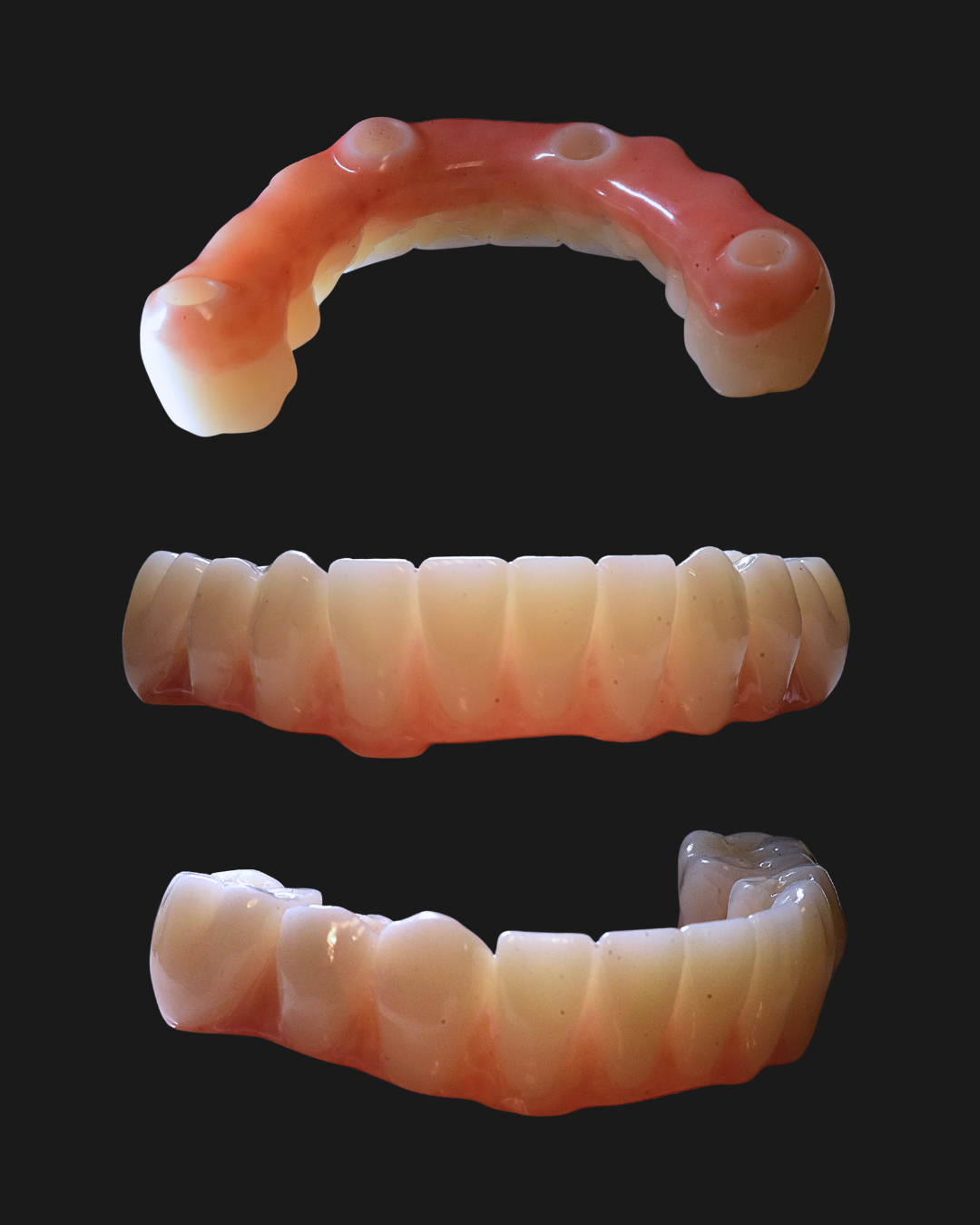
All-on-4 Implants: Understanding Your Prosthesis Material Options
Choosing the right material for your All-on-4 implants is about more than looks. Learn how acrylic, composite, porcelain, and zirconia affect durability, hygiene, and long-term implant health.
All-on-4 Implants: Understanding Your Prosthesis Material Options
If you’re considering All-on-4 dental implants, you’ve probably heard your dentist mention different materials for your new teeth. The choice of material isn’t just about how your smile looks — it also affects your comfort, oral health, and how long your prosthesis will last. In this article, we’ll break down the main materials used for All-on-4 prostheses, explain their pros and cons, and help you understand what’s best for your mouth and lifestyle.
What is an All-on-4 Prosthesis?
Before we dive into materials, let’s quickly review what an All-on-4 prosthesis is.
All-on-4 is a treatment for people who are missing most or all of their teeth in one arch (upper or lower).
It uses four strategically placed dental implants to support a full arch of teeth.
The prosthesis can be made from different materials, each with its own strengths, longevity, and maintenance requirements.
Choosing the right material is important because it impacts how clean your teeth stay, how durable your prosthesis is, and how your gums and bone respond over time.
The Main Material Options
1. Acrylic Hybrid Prosthesis (PMMA)
What it is:
Acrylic is a type of resin, similar to the material used in dentures.
It’s often combined with a metal bar underneath for support.
Pros:
Lightweight and comfortable.
Easy to repair or adjust if something breaks.
Usually less expensive upfront.
Often used as a temporary or “conversion” prosthesis after implant surgery.
Cons:
Porous material: absorbs bacteria, odors, and stains over time.
High plaque retention: more likely to cause gum inflammation if cleaning isn’t perfect.
Wears down faster than other materials, especially for people who grind or clench their teeth.
Best for:
Temporary or transitional prosthesis.
Patients with excellent oral hygiene who want a lower-cost option.
2. Composite Hybrid Prosthesis
What it is:
Composite materials are a type of modern resin that’s reinforced with ceramic particles.
Often combined with a metal or titanium substructure.
Pros:
Less porous than acrylic, so it accumulates less plaque.
More durable and wear-resistant than acrylic.
Can be polished to a smooth finish, which is gentler on gums and opposing teeth.
Cons:
Still resin-based, so some plaque retention and staining can occur.
Repairs are easier than porcelain or zirconia, but not as simple as acrylic.
May need replacement sooner than zirconia.
Best for:
Mid-term prosthesis.
Patients who want a balance between cost, durability, and hygiene.
3. Porcelain on Titanium Framework
What it is:
Porcelain teeth are layered onto a strong titanium framework.
This is sometimes called a “metal-ceramic” prosthesis.
Pros:
Beautiful esthetics: porcelain can mimic natural tooth translucency and shading.
Very strong under normal bite forces.
Long clinical history — dentists have been using this approach for decades.
Cons:
Cement or veneer interfaces: the junction between porcelain and titanium can trap bacteria if not perfectly sealed.
Porcelain can chip over time, especially in patients who grind their teeth.
Harder to repair than acrylic or composite.
Best for:
Patients with high esthetic demands.
Those who want predictable long-term fit and passive implant support.
4. Monolithic Zirconia Prosthesis
What it is:
A prosthesis milled from a single block of zirconia, a very hard ceramic.
Can be full-arch zirconia or zirconia bonded over a titanium framework.
Pros:
Best biologic option: non-porous, highly polishable, and resistant to plaque buildup.
Extremely durable: rarely chips or fractures.
Ideal for bruxers: strong enough to withstand grinding or clenching.
Can look natural with proper shading and characterization.
Cons:
Very rigid — transmits biting forces directly to implants, so occlusion and implant placement must be precise.
Difficult to modify or repair chairside.
Higher cost than acrylic or composite.
Best for:
Long-term definitive prosthesis.
Patients with history of gum disease, high plaque risk, or heavy bite forces.
Anyone who wants the cleanest, most durable option.
5. Zirconia on Titanium Framework
What it is:
A hybrid approach: a zirconia shell is bonded over a titanium substructure.
Aims to combine zirconia’s hygiene benefits with titanium’s mechanical reliability.
Pros:
Smooth zirconia surface for optimal gum health.
Titanium bar absorbs stress and improves fit over long spans.
Easier to repair the framework if the zirconia shell chips.
Cons:
Cement or bonding layer can trap bacteria if not done perfectly.
Slightly more technique-sensitive than full monolithic zirconia.
Bulkier than monolithic zirconia, which may make cleaning slightly harder.
Best for:
Patients needing both high esthetics and long-span mechanical strength.
Bruxers with challenging bite forces.
Complex implant cases with angled or misaligned implants.
How Material Choice Affects Your Oral Health
The health of your gums and implants isn’t just about brushing and flossing — it’s also about what your teeth are made of:
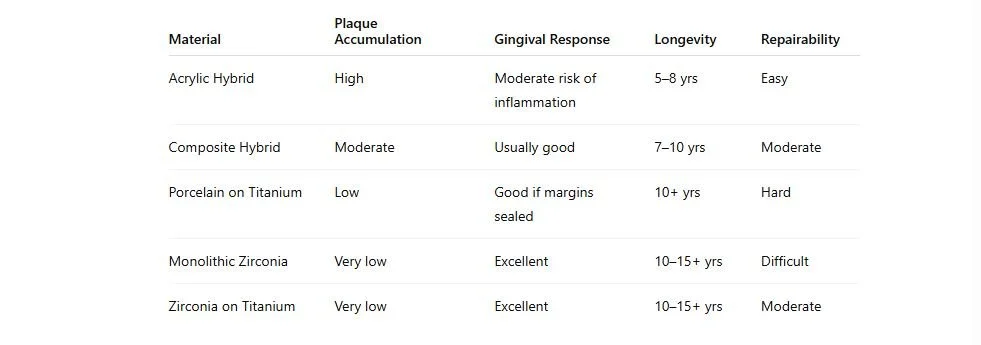
Key takeaway: smooth, non-porous surfaces (zirconia, porcelain) are healthiest for your gums. Porous resins (acrylic, composite) require extra attention to prevent gum inflammation and plaque buildup.
Maintenance Considerations
Regardless of material, your prosthesis needs regular care:
Daily home care: water flosser, soft toothbrush under the prosthesis, low-abrasive toothpaste.
Professional cleanings: 3–4 times per year to remove any biofilm under the prosthesis.
Check-ups: regular evaluation of implants, gums, and bite forces.
Occlusion: especially important for bruxers — even the strongest prosthesis can fail if biting forces are not well-distributed.
Monolithic zirconia and zirconia-on-titanium generally require less frequent adjustments and tolerate grinding better than acrylic or porcelain.
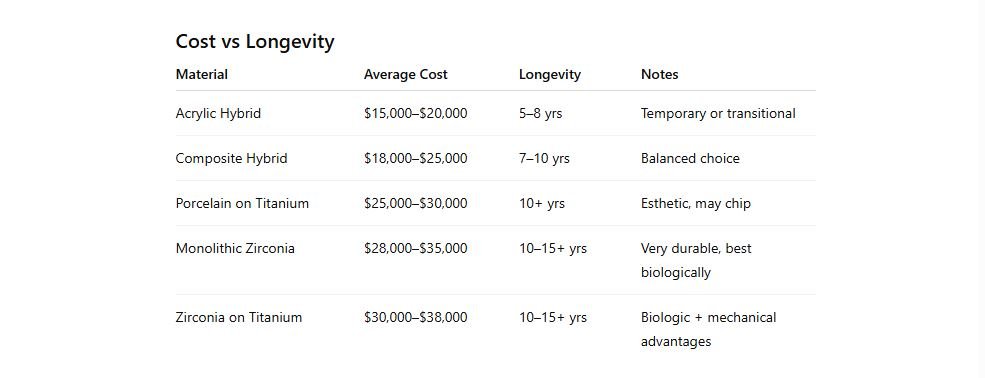
Investing in a higher-end prosthesis may save money long-term by reducing repairs, protecting implants, and minimizing gum inflammation.
How to Choose the Right Material
When deciding, your dentist will consider:
Oral hygiene habits
Bite forces / bruxism
Esthetic expectations
Bone quality and implant placement
Budget and long-term planning
Rule of thumb:
Acrylic → short-term / transitional
Composite → mid-term
Porcelain → esthetic-focused long-term
Monolithic zirconia → hygiene-focused long-term
Zirconia on titanium → high-strength, esthetic compromise
Final Thoughts
All-on-4 implants can transform your smile and your quality of life. Choosing the right prosthetic material ensures your new teeth last, stay healthy, and feel natural.
Monolithic zirconia and zirconia on titanium frameworks are generally best for long-term hygiene and durability.
Porcelain is unbeatable for esthetics but can chip under heavy forces.
Composite and acrylic hybrids are budget-friendly but require careful hygiene and more frequent replacement.
Ultimately, the “best” material depends on your mouth, lifestyle, and priorities. Discuss your options with your dentist, and consider not just appearance, but biologic health, durability, and maintenance.
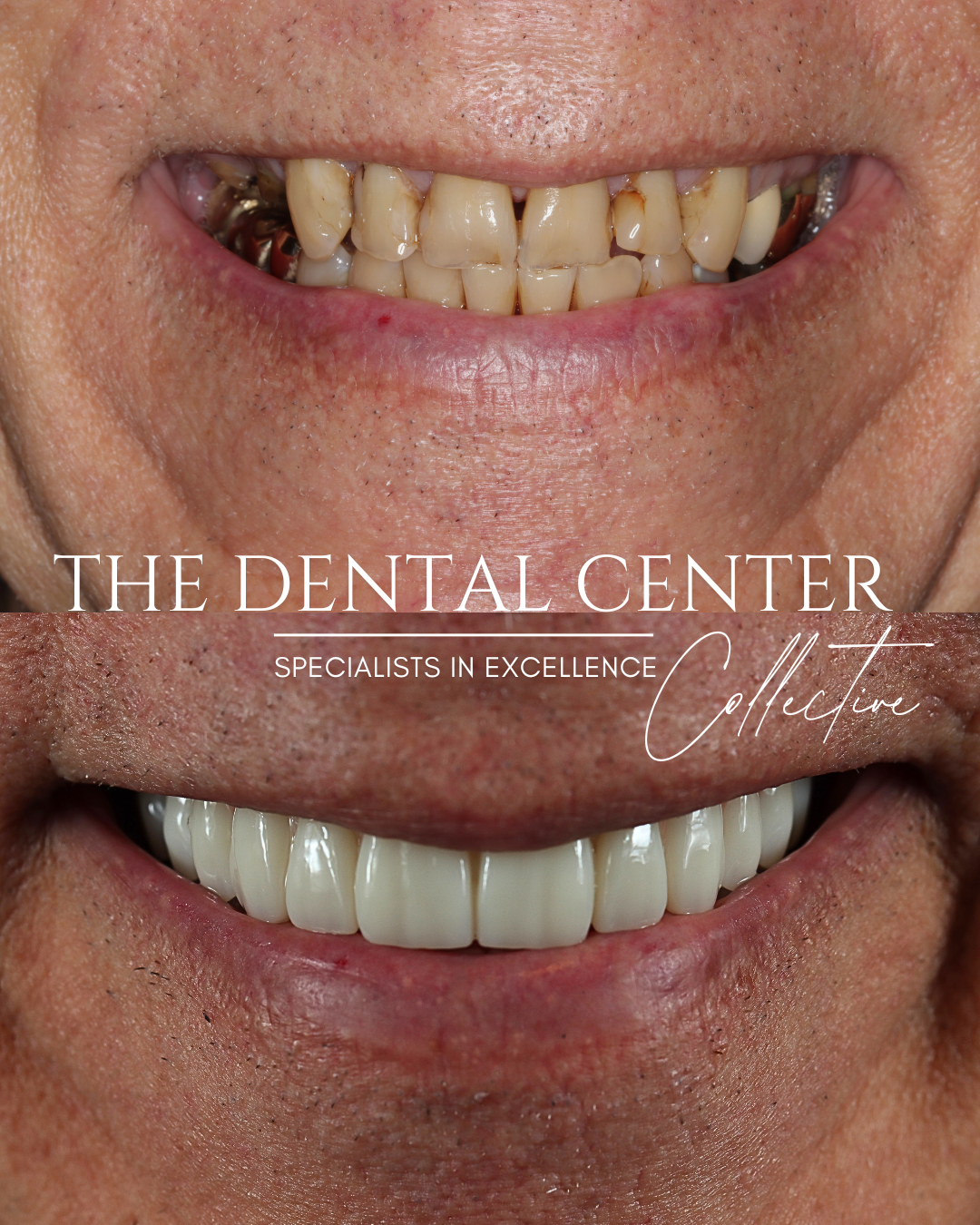
Common Misconceptions About All-on-4 Dental Implants (And the Truth Behind Them)
Confused about All-on-4 dental implants? Learn the most common myths and misconceptions — and the real facts — so you can make a confident, informed decision.
Why So Many Patients Feel Confused About All-on-4
If you’ve researched All-on-4 dental implants online, you’ve probably encountered conflicting information. Some sources make it sound too good to be true. Others make it seem risky, painful, or experimental.
This confusion leads many patients to delay treatment — even when All-on-4 could dramatically improve their quality of life.
At The Dental Center, we hear the same concerns from patients across Hanover, Manchester, Dover, and throughout New Hampshire. This article addresses the most common misconceptions about All-on-4 dental implants and explains the truth behind each one.
Misconception #1: “All-on-4 Is Too New or Experimental”
This is one of the most common fears — and one of the most inaccurate.
The truth: All-on-4 has been used worldwide for over 20 years and is supported by extensive clinical research. The technique was developed to maximize stability while minimizing the need for bone grafting.
Today, All-on-4 is a well-established, predictable treatment when performed by an experienced implant team using proper planning and materials.
Misconception #2: “You Only Get Four Implants — That Can’t Be Strong Enough”
The number “four” understandably makes some patients nervous.
The truth: All-on-4 uses strategic implant placement, not random placement. Two implants are placed vertically in the front, where bone density is strongest. Two implants are placed at an angle in the back to maximize contact with available bone.
This design:
Distributes chewing forces efficiently
Provides excellent long-term stability
Often avoids the need for bone grafting
In many cases, All-on-4 is just as strong — or stronger — than traditional approaches using more implants.
Misconception #3: “I’ll Be Without Teeth While Everything Heals”
Many patients fear months of being toothless.
The truth: Most All-on-4 patients leave surgery the same day with a fixed, temporary set of teeth. These teeth are attached to the implants and are not removable.
While they are designed to protect the implants during healing, they allow you to:
Smile confidently
Speak clearly
Eat soft foods
You are never expected to go without teeth during the healing phase.
Misconception #4: “All-on-4 Is Only for Older Patients”
Some people assume implants are only for seniors.
The truth: All-on-4 is used for adults of many ages. Patients seek this treatment due to:
Failing crowns and bridges
Advanced gum disease
Severe tooth wear
Genetic dental issues
Long-term denture frustration
What matters is oral health, bone structure, and overall medical stability, not age alone.
Misconception #5: “The Surgery Is Extremely Painful”
Fear of pain keeps many people from scheduling a consultation.
The truth: All-on-4 surgery is typically performed with:
IV sedation
Oral sedation
Local anesthesia
Most patients report less discomfort than expected, often comparing it to or less than traditional tooth extractions.
Post-operative soreness is normal but usually manageable with medication and proper aftercare. Many patients return to light activities within a few days.
Misconception #6: “Dental Implants Fail All the Time”
Online horror stories can be alarming.
The truth: Dental implants — including All-on-4 — have a very high long-term success rate when placed properly and maintained well.
Factors that improve success include:
Proper diagnosis and planning
Skilled surgical placement
Good oral hygiene
Regular follow-up care
Failures are uncommon and often related to unmanaged health conditions or smoking.
Misconception #7: “All-on-4 Looks Fake or Bulky”
Some patients worry their smile will look unnatural.
The truth: Modern implant prosthetics are designed with:
Natural tooth proportions
Customized shape and color
Proper lip and facial support
Your final teeth are custom-designed specifically for your face, not generic dentures. Most people notice how natural your smile looks — not that you’ve had dental work.
Misconception #8: “All-on-4 Is Only About Appearance”
While the cosmetic transformation is dramatic, All-on-4 is about much more than looks.
The truth: All-on-4 restores:
Proper chewing function
Jawbone stimulation
Clear speech
Facial structure support
It also eliminates the daily frustration of loose dentures, adhesives, and dietary limitations.
Misconception #9: “It Takes Years to Finish the Process”
Some patients assume implants are a multi-year ordeal.
The truth: The typical All-on-4 timeline is 3–6 months from surgery to final teeth. Many patients feel functional and confident much sooner because they receive temporary teeth immediately. Compared to traditional implant approaches, All-on-4 is often faster and more streamlined.
Misconception #10: “All-on-4 Is Never Affordable”
Cost is a real concern — but assumptions often prevent patients from exploring options.
The truth: All-on-4 can be more cost-effective long-term than:
Replacing failing crowns repeatedly
Ongoing denture adjustments
Bone grafting-heavy implant plans
At The Dental Center, we focus on:
Transparent pricing
Financing options with monthly payments
Helping patients plan treatment realistically
Many patients are surprised to learn it’s more attainable than they expected.
Why These Misconceptions Persist
Much of the confusion comes from:
Outdated online information
General dental websites that don’t specialize in implants
Lack of personalized evaluation
That’s why a comprehensive consultation is essential. Your situation is unique, and generalized advice can be misleading.
The Importance of an Experienced Implant Team
All-on-4 outcomes depend heavily on:
Surgical experience
Prosthetic design
Long-term maintenance planning
Choosing a team that performs All-on-4 regularly — not occasionally — significantly reduces risks and improves results.
Take the Next Step with Confidence
If you’ve been hesitant because of something you’ve heard or read, you’re not alone. The best way to move forward is with accurate information and a personalized plan.
At The Dental Center, we serve patients from Hanover, Manchester, Dover, and across New Hampshire, providing clarity, transparency, and expert care.
👉 Take our 60-second eligibility quiz
👉 Schedule a consultation
👉 Get answers tailored to you
Visit All-on-4NH.com to take the next step.
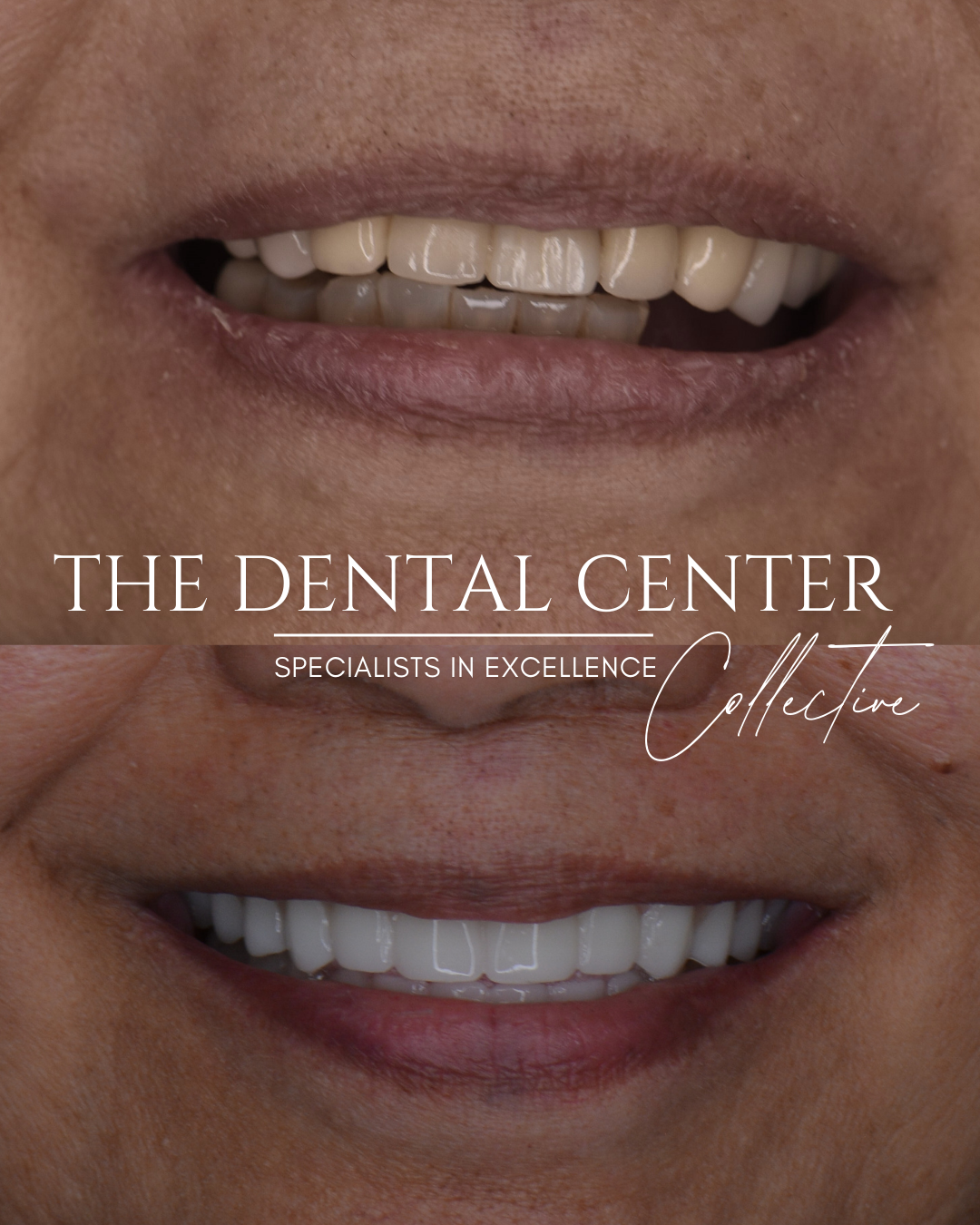
The All-on-4 Revolution: A New Smile in One Day
Imagine walking into the dental office with missing or failing teeth — and leaving the same day with a brand-new, fixed, natural-looking smile. That’s the promise of All-on-4 dental implants, a revolutionary treatment designed especially for patients who want a permanent solution without the wait, discomfort, or hassle of traditional dentures.
Using just four strategically placed implants, All-on-4 secures a full arch of new teeth in a single appointment — restoring your ability to eat, speak, and smile with total confidence. It’s fast, predictable, and life-changing.
At The Dental Center Collective, our team specializes in this transformative treatment, guiding patients through every step of the journey with comfort and care. If you’ve been told you’re “not a candidate” for implants or are tired of dentures, All-on-4 could be your key to freedom — and your best smile yet.
If you’ve been told you need full dentures, or if you’re tired of your current set, there’s a modern alternative that can change your life — All-on-4 dental implants.
This revolutionary procedure gives you a fixed, beautiful set of teeth in a single day — without months of waiting or painful bone grafting.
What Is All-on-4?
The All-on-4 treatment uses just four strategically placed dental implants to support a full arch of new teeth. The implants are angled to maximize existing bone, which means even patients with bone loss can often qualify.
In most cases, patients leave the same day with a full, functional smile.
How It Differs from Traditional Implants
Traditional implant cases may require one implant per missing tooth, bone grafting, and months of healing. All-on-4 simplifies that process — fewer implants, no grafting, and immediate results.
Benefits Patients Love
Instant results: Walk out with a new smile the same day.
Stable and strong: No slipping, clicking, or adhesives.
Natural look and feel: Designed to match your facial structure.
Preserves bone: Stimulates bone and prevents further loss.
Easier care: Just brush and floss like normal teeth.
Life After All-on-4
Patients often describe dramatic improvements:
Eating comfortably for the first time in years
Speaking clearly and smiling naturally
Renewed confidence in social and professional settings
One of our patients said, “It’s like I got my twenties back — not just my smile, but my energy.”
The Procedure: What to Expect
Consultation & 3D Scan: We evaluate bone density and create a digital plan.
Treatment Day: Damaged teeth are removed, implants placed, and temporary teeth secured — all in one visit.
Healing Phase: Over the next few months, implants fuse with bone.
Final Smile: Custom, permanent teeth are attached for a beautiful, lasting result.
Why Choose a Specialist Team
Experience matters. At The Dental Center Collective, our team of surgical and restorative specialists works together under one roof. You’ll enjoy seamless care, sedation options for comfort, and a smile that’s built to last.
The Confidence You Deserve
All-on-4 can restore not just your teeth — but your sense of freedom. You’ll smile bigger, laugh louder, and eat what you love again.
Your best years are still ahead. Let’s make sure your smile shows it.

Replacing Missing Teeth: Your Guide to Restoring Your Smile
Missing teeth can affect your health, confidence, and quality of life. Discover the best tooth replacement options—like dental implants, bridges, and dentures—and learn which treatment is right for you. Explore how modern dentistry can restore your smile with long-lasting results.
Tooth loss is more common than you might think. Whether due to decay, gum disease, trauma, or aging, millions of Americans are missing at least one tooth—and many are missing several. Fortunately, modern dentistry offers effective and lasting solutions to replace missing teeth, restore your smile, and improve your oral health.
In this guide, we'll explore the best tooth replacement options available, their benefits, how they work, and how to choose the right solution for your unique needs.
Why Replace Missing Teeth?
Before diving into your treatment options, it’s important to understand why replacing missing teeth matters—not just cosmetically, but for your overall health.
Missing teeth can lead to:
Bone loss in the jaw due to lack of stimulation
Shifting of surrounding teeth, leading to bite problems
Speech and chewing difficulties
Premature facial aging due to loss of facial structure
Lowered self-esteem from gaps or altered smile
Replacing missing teeth isn’t just about aesthetics—it’s about restoring function, confidence, and preventing long-term oral health issues.
Top Tooth Replacement Options
There are several proven options to replace missing teeth. Each offers unique benefits depending on your goals, budget, and overall dental health.
1. Dental Implants: The Gold Standard
Best for: Long-term, natural-feeling tooth replacement
Dental implants are widely considered the most effective and permanent solution for missing teeth. An implant is a small titanium post that is surgically placed into your jawbone to act as an artificial root. A crown, bridge, or denture is then attached to complete the restoration.
Key Benefits:
Mimics natural tooth structure
Prevents bone loss and preserves facial structure
Doesn’t affect neighboring teeth
Long-lasting (often a lifetime with proper care)
High success rate (over 95%)
Ideal Candidates:
You should have healthy gums, adequate jawbone density, and be in overall good health. Bone grafting may be needed if bone loss has occurred.
Types of Implants:
Single-Tooth Implant for one missing tooth
Implant Bridge for several missing teeth
All-on-4/All-on-X for full-arch restoration using just 4–6 implants
2. Fixed Dental Bridge
Best for: Replacing one or several adjacent teeth
A dental bridge literally “bridges” the gap left by missing teeth. It uses the surrounding teeth as anchors (or abutments) and places an artificial tooth (pontic) in the gap.
Key Benefits:
Restores chewing function and appearance
Faster treatment than implants (no surgery)
Less expensive than implants
Drawbacks:
Requires grinding down healthy teeth to support the bridge
Doesn’t prevent bone loss
May need replacement every 5–15 years
3. Removable Partial Dentures
Best for: Replacing several missing teeth in different areas of the mouth, when implants are not possible
Partial dentures consist of replacement teeth attached to a gum-colored plastic base, often supported by a metal framework that clips onto existing teeth.
Key Benefits:
Affordable
Non-invasive
Easy to remove and clean
Drawbacks:
Less stable than implants or bridges
May affect speech or comfort
Requires frequent adjustments
4. Full Dentures
Best for: Complete tooth loss in the upper or lower jaw
Traditional full dentures sit on top of the gums and are custom made to fit your mouth.
Key Benefits:
Affordable full-mouth solution
Non-surgical
Fast turnaround
Drawbacks:
Can slip or move while eating or speaking
May require adhesives
Bone loss continues underneath
Upgrade Option: Implant-Supported Dentures
Also known as overdentures, these snap onto dental implants for improved stability and comfort. They prevent bone loss and feel more like natural teeth.
How to Choose the Right Tooth Replacement Option
Several factors affect your treatment plan:
1. Number of Missing Teeth
One or two missing teeth: dental implants or bridges
Several missing teeth: implant bridge, partial dentures, or overdentures
Full arch missing: All-on-4, All-on-X, or full dentures
2. Bone Health
Implants require healthy jawbone. Bone grafting may be needed.
Dentures and bridges don’t require bone support.
3. Budget
Dentures and bridges have lower upfront costs.
Implants are more expensive initially but may be more cost-effective long term.
4. Lifestyle and Preferences
Implants offer the closest feel to natural teeth.
Dentures may require more maintenance and lifestyle adjustments.
5. Health Conditions
Chronic health issues like diabetes or smoking can affect implant success.
Non-surgical options may be preferable in these cases.
The Tooth Replacement Process: What to Expect
Your smile journey will involve several key steps:
1. Comprehensive Dental Evaluation
Your dentist or prosthodontist will assess your oral health, take digital scans or X-rays, and recommend the best treatment plan.
2. Treatment Planning
This includes mapping out tooth replacements, scheduling surgery (if needed), and preparing any supporting structures.
3. Procedure
Depending on the treatment, you may undergo:
Implant surgery (with a healing period)
Tooth preparation for bridges
Impressions for dentures or bridges
4. Restoration Placement
Final crowns, bridges, or dentures are custom fabricated and placed.
5. Follow-Up and Maintenance
Regular cleanings, exams, and proper home care ensure long-term success.
Long-Term Care for Your Tooth Replacement
No matter which treatment you choose, good oral hygiene is essential.
Brush and floss daily (or as directed)
Use a water flosser for bridges or implants
Clean dentures thoroughly each day
Visit your dentist regularly for cleanings and exams
Replacing Missing Teeth in New Hampshire?
Visit Our Specialty Dental Clinic
At The Dental Center Collective, we specialize in full-mouth rehabilitation, dental implants, and premium tooth replacement solutions in New Hampshire. Our patient-focused, luxury clinic experience ensures comfort, expertise, and lasting results.
Whether you're missing one tooth or need a complete restoration, we’re here to guide you every step of the way. Schedule a consultation today and take the first step toward a confident, healthy smile.
Frequently Asked Questions
Q: Is it OK to not replace a missing tooth?
A: While it’s possible to live without one, missing teeth can cause long-term damage to your bite, bone, and overall health. Replacing them is highly recommended.
Q: Are dental implants painful?
A: Most patients report minimal discomfort related to pressure or vibration during the procedure. The process is typically done under local anesthesia and healing is well-tolerated.
Q: How long do tooth replacements last?
A: Implants can last a lifetime. Bridges and dentures typically last 5–15 years with proper care. Best practices recommend replacement of removable prostheses every 5 years.

Why You Shouldn’t Shop for Dental Implants by Price Alone
Don't choose dental implants based on price alone. Learn the hidden risks of low-cost offers and what to look for in a quality implant provider.
When it comes to your smile, few things are more life-changing than dental implants. They restore your ability to eat, speak, and smile with confidence. But as patients begin their research, one question often rises to the top: “How much do dental implants cost?”
It’s a valid question—but focusing solely on price can be a costly mistake. Like any long-term investment in your health and well-being, dental implants should be judged by more than just the price tag.
In this post, we’ll explain why shopping for dental implants by price alone is risky, what hidden costs you should look out for, and what truly makes one provider more valuable than another.
The Temptation of Low-Cost Dental Implants
A quick Google search will show wide variations in dental implant pricing. You might see one office offering implants “starting at $999” while others quote $20,000 or more for full-mouth solutions like All-on-4. So what gives?
The truth is, not all dental implants—or implant providers—are created equal. Cheap implants may seem appealing up front, but they often come with trade-offs that cost you more in the long run.
10 Reasons Not to Choose Dental Implants Based on Price Alone
1. Not All Prices Include the Same Services
Many low-price ads are “bait and switch” offers. They may only include the implant post—not the abutment, crown, bone grafting, imaging, or anesthesia. Once everything is added up, the price often matches or exceeds what reputable offices charge upfront.
Ask: Does the quote include the full procedure—surgery, crown, and follow-up?
2. Materials Matter
Dental implants vary in quality, just like cars or phones. Cheaper providers may use low-cost implant brands made from subpar titanium alloys or poor design. These can:
Integrate poorly with bone
Fail prematurely
Be harder to restore later if they break
We use premium, proven implant systems with long-term clinical success rates.
3. Experience of the Surgical Team
Would you trust a heart surgery to the cheapest surgeon in town?
Implant placement is a highly specialized procedure. The experience of your provider directly impacts your outcome. Improper implant placement can result in:
Nerve damage
Implant failure
Bite misalignment
A smile that doesn’t look natural
We’ve restored hundreds of smiles with a surgical and prosthetic team that works together under one roof—ensuring safety, precision, and beautiful results.
4. Technology and Diagnostics
Quality implant centers invest in 3D CBCT imaging, guided surgery, digital design tools, and in-house labs. These technologies reduce guesswork and improve accuracy.
Cheaper offices may skip these steps to cut costs—leading to increased risk of failure, improper placement, or the need for re-treatment later.
5. One Day, but Done Right
You may have seen ads promoting “teeth in a day” or same-day implants. While it’s true that procedures like All-on-4 can restore your smile in one day, not all “one-day” providers offer:
Proper pre-surgical planning
A customized prosthetic (instead of a generic one)
Follow-up care and adjustments
Fast doesn’t mean careless. We ensure your smile is not only delivered quickly—but safely and beautifully.
6. Long-Term Results vs. Short-Term Fixes
Dental implants are meant to last decades, if not a lifetime. Choosing a provider based on the lowest quote may save you today but cost you much more in repairs or replacement later.
It’s like buying a cheap roof—it may look fine now, but you’ll pay the price when it leaks in five years.
7. Hidden Costs of Travel Dentistry
Some patients consider traveling to other states—or even other countries—for cheaper implants. But:
What happens if something goes wrong?
Who handles the follow-up?
What if you have complications a month later?
Many patients who go the “cheap travel” route end up back home needing repairs—at full cost and with more challenges.
8. Lack of Warranty or Follow-Up Care
Reputable implant providers offer warranties and ongoing maintenance. Many low-cost providers:
Rush through the process
Disappear after the procedure
Don’t offer follow-up appointments or cleanings
Your implant journey doesn’t end after surgery—it’s a lifelong investment, and you deserve a partner who’s there for you long-term.
9. Your Smile Aesthetics Are Worth It
Implants don’t just replace teeth—they rebuild your smile, confidence, and self-image. Choosing a provider who understands facial harmony, natural aesthetics, and bite alignment is crucial.
Cheaper providers may not customize your smile to your face, age, or personality. The result? Teeth that look fake or feel wrong in your mouth.
10. You're Not Just Buying Implants—You're Buying Trust
When you choose a dental implant provider, you’re not buying a screw and a crown. You’re buying:
Expertise
Peace of mind
Personalized care
A team that takes time to understand your goals
Choosing based on trust and proven results will always beat chasing the lowest number.
What Should You Look for Instead?
When comparing implant providers, consider these questions:
Is the quote all-inclusive?
How many implants have they placed?
Do they use 3D imaging and guided surgery?
Will I see the same team throughout the process?
Do they offer in-house financing or warranties?
Are before-and-after photos and patient reviews available?
The best implant centers are transparent, experienced, and focused on your outcome—not just the transaction.
Final Thoughts: Value Over Price, Always
Dental implants are one of the most powerful investments you can make in your health. While cost is important, it should never be the only factor.
A lower price today could mean:
A shorter lifespan for your implants
Additional surgeries later
A smile that doesn’t function or feel right
Regret
Instead, choose a provider who focuses on quality, outcomes, and personalized care.
Ready to Explore Your Options?
Schedule a consultation, where you can:
Get a clear, all-inclusive quote
Review your smile goals
Understand your candidacy
Explore flexible financing plans
Let us help you invest wisely in your future smile.

All-on-4 Near Me: How to Find a Qualified Provider
Looking for All-on-4 dental implants near you? Learn how to find a qualified provider, what to ask, and why choosing the right team makes all the difference.
If you’re missing most or all of your teeth—or wearing dentures that don’t fit right—you may have come across a transformative procedure called All-on-4 dental implants. This full-arch solution can restore your smile, bite, and confidence with a permanent set of fixed teeth, often in just one day.
But the success of All-on-4 depends heavily on who performs the procedure. So if you’re searching online for “All-on-4 near me”, here’s how to find a qualified, experienced provider who will deliver a life-changing result—not just a procedure.
What Is All-on-4?
All-on-4 is a full-mouth dental implant treatment where four strategically placed implants support a complete arch of teeth—either upper, lower, or both. It’s ideal for patients who:
Have failing teeth or advanced gum disease
Are currently wearing dentures
Want a permanent, fixed solution
Have bone loss but want to avoid grafting
Unlike traditional implants, All-on-4 often allows for:
Fewer implants
No bone grafts
Teeth placed the same day as surgery
But not every dentist offers All-on-4—and not every All-on-4 provider is the same.
Why Choosing the Right Provider Matters
This isn’t just another dental filling or crown. All-on-4 is a surgical, prosthetic, and cosmetic procedure rolled into one. The success of your treatment depends on:
Precise implant placement
Bone evaluation and 3D imaging
Custom smile design
Long-term function and aesthetics
Choosing the wrong provider can lead to complications such as:
Poor implant positioning
Breakage or wear of the prosthetic
Speech or bite issues
A smile that looks “fake” or unnatural
That’s why you don’t want to pick the cheapest or closest option—you want the most qualified.
How to Find a Qualified All-on-4 Provider Near You
1. Look for Implant-Specific Experience
You want a provider who does All-on-4 regularly, not just general dentistry. Ask:
How many All-on-4 procedures have you performed?
What type of implant systems do you use?
Do you offer both the surgical and restorative phases in one location?
The more experience they have, the more likely they’ve seen—and successfully managed—a wide range of cases.
2. Check for Advanced Imaging and Technology
A top-tier provider will use tools like:
Cone Beam CT (CBCT) scanning for precise bone analysis
Digital planning for accurate implant placement
Digital smile design to preview your new smile
Photogrammetry to record implant position
Intraoral scanner for image capturing
These technologies reduce surgical risk and ensure your prosthetic fits properly. If they haven’t invested in this workflow, it’s unlikely that they are seriously committed to achieving best results.
3. Read Patient Reviews and See Before & Afters
Look for Google reviews, video testimonials, and case photos. These will tell you:
How patients felt about their experience
What their new smile looks like
Whether the results look natural and functional
If a provider can’t show you real cases—they may not do this work often.
4. Ask if They Use In-House Labs and Teams
The best results come when the surgeon, restorative dentist, and lab technician work together. Many quality implant centers have these professionals in the same facility.
That means:
Better communication
Fewer mistakes
Faster treatment times
More control over quality and design
5. Ask About Their Follow-Up Care
Your journey doesn’t end on surgery day. Ask:
Do you offer maintenance visits and cleanings?
What happens if something chips or breaks?
Are emergency visits included in the package?
A qualified provider will offer ongoing support and maintenance—because implants are a lifetime investment.
6. Be Cautious of “Too Good to Be True” Pricing
We all want good value—but extremely low prices can mean:
Cheap implant parts or generic components
No imaging or customization
Overseas lab work or poor-quality prosthetics
Reputable centers are transparent about pricing and offer all-inclusive treatment packages that cover:
Exams and imaging
Extractions (if needed)
Sedation
Implants
Fixed prosthetic teeth
Follow-up visits
They may also offer flexible financing to make treatment affordable without cutting corners.
7. Schedule a Consultation to Get a Feel for the Team
You’re trusting this team with your health and your smile. During the consultation, evaluate:
Do they take time to explain things clearly?
Do they show you actual patient results?
Do they feel pushy or genuinely focused on your goals?
Is the environment clean, modern, and professional?
A qualified provider will educate, not pressure you—and customize your treatment to your needs.
Questions to Ask at Your Consultation
Bring these to your first visit:
Am I a good candidate for All-on-4?
Will I receive teeth on the same day?
How do you handle bone loss or complex cases?
What implant system do you use?
Are your lab and surgical team in-house?
What’s included in the treatment cost?
What’s the expected healing and recovery time?
Can I see before/after photos of your real patients?
A confident, qualified team will answer these questions openly—and even encourage them.
Why Patients Choose The Dental Center
At The Dental Center, we specialize in All-on-4 full-arch restoration with a focus on comfort, aesthetics, and long-term function. Here’s what sets us apart:
Hundreds of successful All-on-4 cases
In-house 3D imaging and guided surgical technology
Custom, natural-looking prosthetics designed just for you
One team, one location—from consult to final smile
Transparent pricing and financing options
A concierge experience from start to finish
We believe every patient deserves a smile that’s strong, beautiful, and built to last.
Searching for “All-on-4 Near Me”? Start Here.
If you’ve been looking for a trusted local provider who can deliver permanent, life-changing results—you’ve found the right place. Many of our patients travel from hours away because they trust our expertise and personalized approach.