

All-on-4 Recovery: What to Expect Day by Day After Surgery
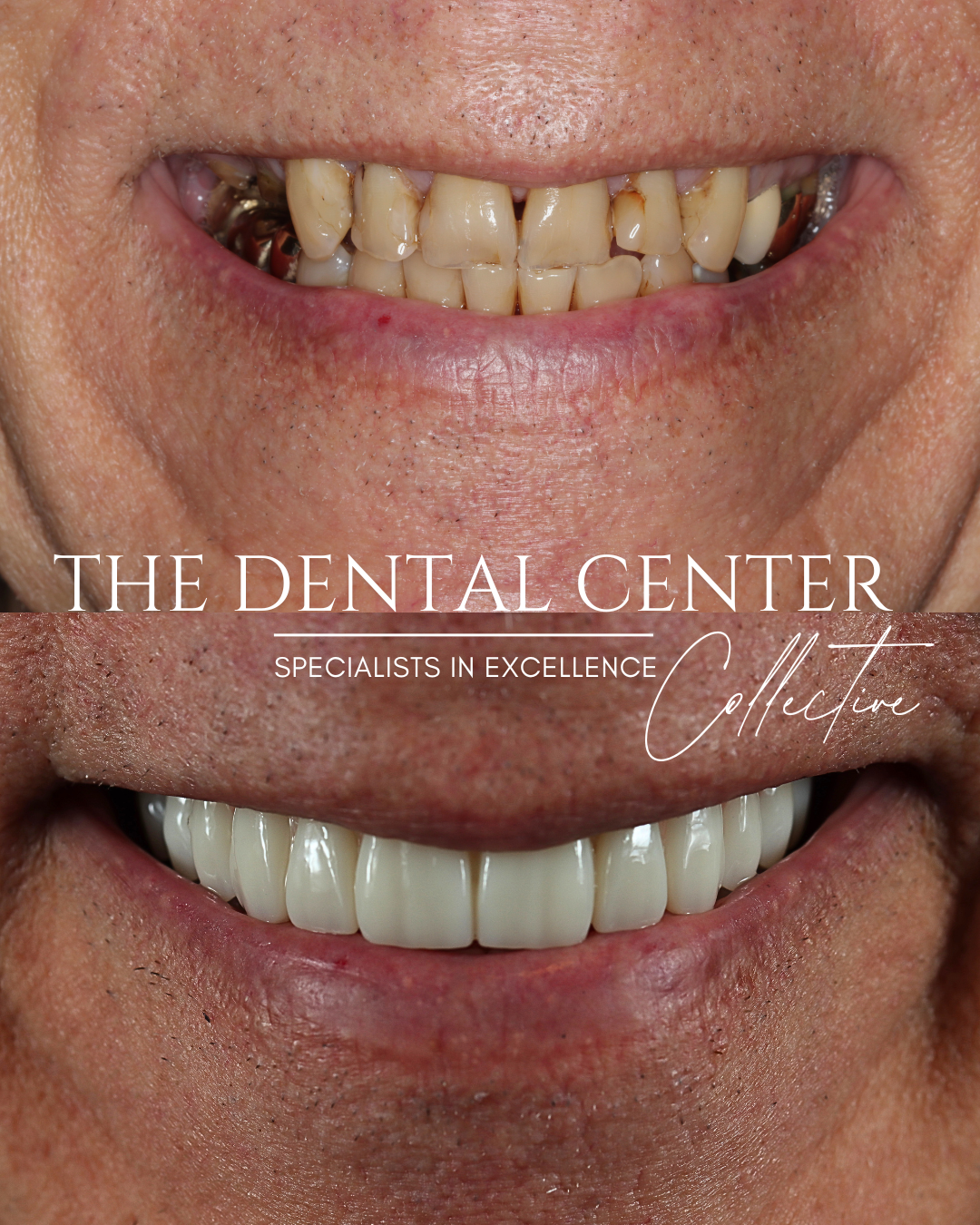
Recovery after All-on-4 dental implant surgery is typically faster than many patients expect. Most people experience mild to moderate swelling, bruising, and soreness for the first 3–5 days, with the peak swelling usually occurring around day 2 or 3. Patients are generally able to return to light daily activities within a few days, though a soft-food diet is recommended for several weeks to protect the healing implants. Temporary teeth are often placed the same day, allowing patients to leave with a functional new smile while the implants integrate with the jawbone. Full healing and implant integration can take several months, but with proper aftercare, regular follow-up visits, and good oral hygiene, most patients find All-on-4 recovery manageable and life-changing.
Introduction: Recovery Is Often Easier Than Expected
Fear of recovery is one of the biggest reasons patients delay All-on-4 treatment. They imagine:
Severe pain
Long downtime
Being unable to function
In reality, most patients report that recovery is far more manageable than expected, especially compared to years of dental discomfort. This guide walks through the typical All-on-4 recovery timeline, so you know exactly what to expect.
Surgery Day: What Happens Immediately After
After surgery:
You’ll leave with fixed temporary teeth
You’ll feel groggy if sedation was used
Swelling begins within hours
You’ll receive:
Detailed written instructions
Medications if needed
Emergency contact information
Most patients rest at home the remainder of the day.
Days 1–3: Peak Swelling and Adjustment
This is typically the most noticeable recovery period. You may experience:
Swelling (often peaks around day 2–3)
Mild to moderate soreness
Bruising in some cases
Helpful tips:
Ice packs as directed
Soft foods only
Stay hydrated
Avoid strenuous activity
Pain is usually well-controlled.
Days 4–7: Rapid Improvement
Most patients notice:
Swelling decreasing
Improved comfort
Better speech clarity
Many return to:
Work
Social activities
Light exercise
Temporary teeth may feel bulky at first — this improves as tissues adapt.
Weeks 2–4: Healing and Normalization
During this phase:
Soft tissue continues healing
Temporary teeth feel more natural
Diet expands slightly (still avoiding hard foods)
Follow-up visits ensure:
Proper healing
Bite stability
Hygiene guidance
Months 2–4: Osseointegration Phase
Behind the scenes:
Implants fuse with the jawbone
Bone becomes stronger around implants
You may feel:
Very normal day-to-day
Confident socially
This phase is critical — following diet and hygiene instructions protects long-term success.
Final Teeth Placement: The Finish Line
Once healing is complete:
Final impressions are taken
Bite and esthetics refined
Permanent teeth are placed
Most patients describe this moment as life-changing.
Common Recovery Questions
Will I be in pain?
Discomfort is usually mild to moderate and short-lived.
How long before I can eat normally?
Gradual progression — full chewing after final teeth.
Will people notice?
Most people won’t know you had surgery unless you tell them.
Why Recovery Is Often Easier Than Expected
Because All-on-4:
Reduces the number of surgeries
Avoids grafting in many cases
Uses fixed teeth immediately
Patients avoid many of the challenges seen with traditional implant approaches.
Take the First Step with Confidence
If fear of recovery is holding you back, education is the antidote. If you’re exploring All-on-4 dental implants in Hanover, Manchester, Dover, or across New Hampshire, the next step is simple.
👉 Visit All-on-4NH.com to take the eligibility quiz or schedule a consultation.
Common Misconceptions About All-on-4 Dental Implants (And the Truth Behind Them)
Confused about All-on-4 dental implants? Learn the most common myths and misconceptions — and the real facts — so you can make a confident, informed decision.
Why So Many Patients Feel Confused About All-on-4
If you’ve researched All-on-4 dental implants online, you’ve probably encountered conflicting information. Some sources make it sound too good to be true. Others make it seem risky, painful, or experimental.
This confusion leads many patients to delay treatment — even when All-on-4 could dramatically improve their quality of life.
At The Dental Center, we hear the same concerns from patients across Hanover, Manchester, Dover, and throughout New Hampshire. This article addresses the most common misconceptions about All-on-4 dental implants and explains the truth behind each one.
Misconception #1: “All-on-4 Is Too New or Experimental”
This is one of the most common fears — and one of the most inaccurate.
The truth: All-on-4 has been used worldwide for over 20 years and is supported by extensive clinical research. The technique was developed to maximize stability while minimizing the need for bone grafting.
Today, All-on-4 is a well-established, predictable treatment when performed by an experienced implant team using proper planning and materials.
Misconception #2: “You Only Get Four Implants — That Can’t Be Strong Enough”
The number “four” understandably makes some patients nervous.
The truth: All-on-4 uses strategic implant placement, not random placement. Two implants are placed vertically in the front, where bone density is strongest. Two implants are placed at an angle in the back to maximize contact with available bone.
This design:
Distributes chewing forces efficiently
Provides excellent long-term stability
Often avoids the need for bone grafting
In many cases, All-on-4 is just as strong — or stronger — than traditional approaches using more implants.
Misconception #3: “I’ll Be Without Teeth While Everything Heals”
Many patients fear months of being toothless.
The truth: Most All-on-4 patients leave surgery the same day with a fixed, temporary set of teeth. These teeth are attached to the implants and are not removable.
While they are designed to protect the implants during healing, they allow you to:
Smile confidently
Speak clearly
Eat soft foods
You are never expected to go without teeth during the healing phase.
Misconception #4: “All-on-4 Is Only for Older Patients”
Some people assume implants are only for seniors.
The truth: All-on-4 is used for adults of many ages. Patients seek this treatment due to:
Failing crowns and bridges
Advanced gum disease
Severe tooth wear
Genetic dental issues
Long-term denture frustration
What matters is oral health, bone structure, and overall medical stability, not age alone.
Misconception #5: “The Surgery Is Extremely Painful”
Fear of pain keeps many people from scheduling a consultation.
The truth: All-on-4 surgery is typically performed with:
IV sedation
Oral sedation
Local anesthesia
Most patients report less discomfort than expected, often comparing it to or less than traditional tooth extractions.
Post-operative soreness is normal but usually manageable with medication and proper aftercare. Many patients return to light activities within a few days.
Misconception #6: “Dental Implants Fail All the Time”
Online horror stories can be alarming.
The truth: Dental implants — including All-on-4 — have a very high long-term success rate when placed properly and maintained well.
Factors that improve success include:
Proper diagnosis and planning
Skilled surgical placement
Good oral hygiene
Regular follow-up care
Failures are uncommon and often related to unmanaged health conditions or smoking.
Misconception #7: “All-on-4 Looks Fake or Bulky”
Some patients worry their smile will look unnatural.
The truth: Modern implant prosthetics are designed with:
Natural tooth proportions
Customized shape and color
Proper lip and facial support
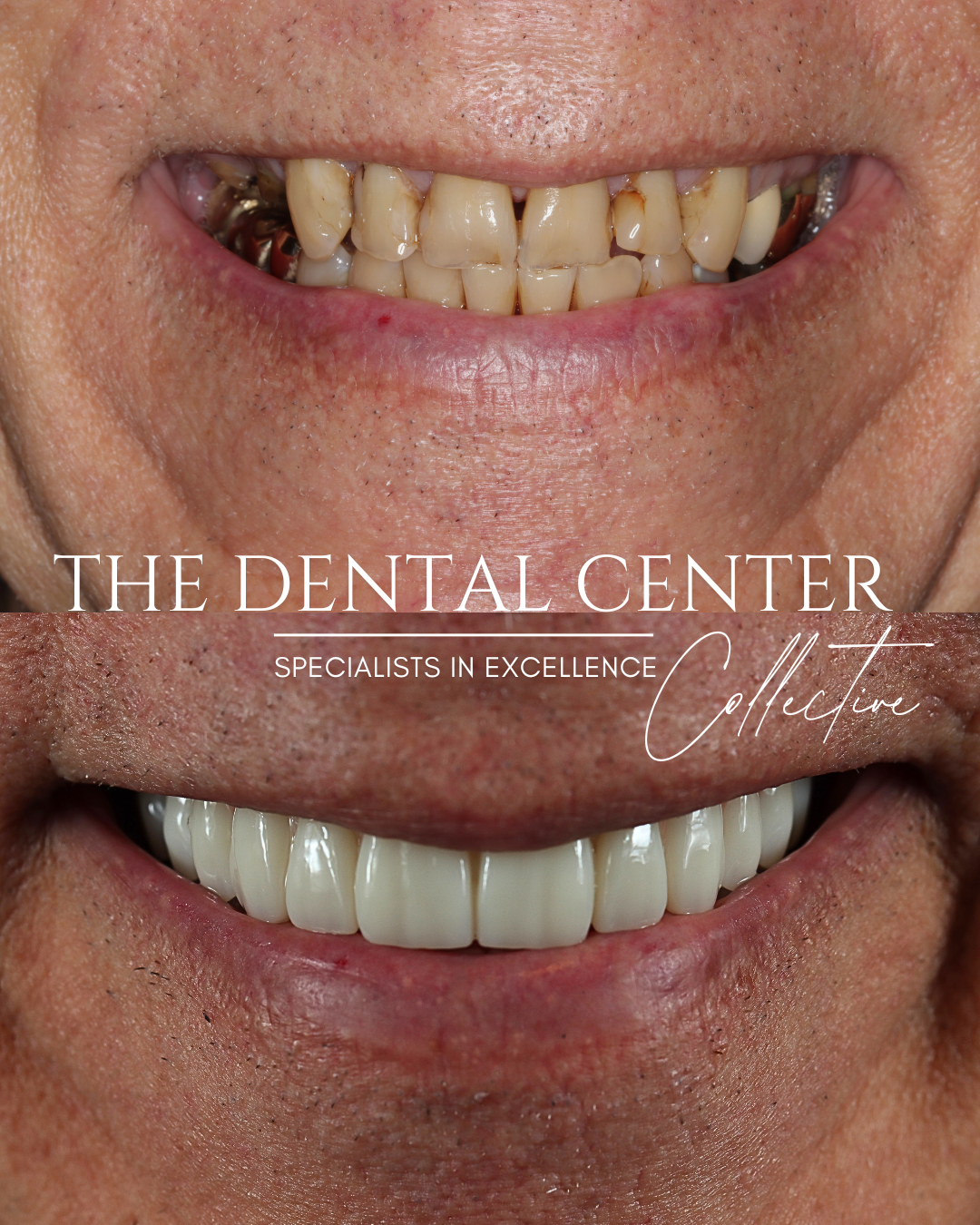
Your final teeth are custom-designed specifically for your face, not generic dentures. Most people notice how natural your smile looks — not that you’ve had dental work.
Misconception #8: “All-on-4 Is Only About Appearance”
While the cosmetic transformation is dramatic, All-on-4 is about much more than looks.
The truth: All-on-4 restores:
Proper chewing function
Jawbone stimulation
Clear speech
Facial structure support
It also eliminates the daily frustration of loose dentures, adhesives, and dietary limitations.
Misconception #9: “It Takes Years to Finish the Process”
Some patients assume implants are a multi-year ordeal.
The truth: The typical All-on-4 timeline is 3–6 months from surgery to final teeth. Many patients feel functional and confident much sooner because they receive temporary teeth immediately. Compared to traditional implant approaches, All-on-4 is often faster and more streamlined.
Misconception #10: “All-on-4 Is Never Affordable”
Cost is a real concern — but assumptions often prevent patients from exploring options.
The truth: All-on-4 can be more cost-effective long-term than:
Replacing failing crowns repeatedly
Ongoing denture adjustments
Bone grafting-heavy implant plans
At The Dental Center, we focus on:
Transparent pricing
Financing options with monthly payments
Helping patients plan treatment realistically
Many patients are surprised to learn it’s more attainable than they expected.
Why These Misconceptions Persist
Much of the confusion comes from:
Outdated online information
General dental websites that don’t specialize in implants
Lack of personalized evaluation
That’s why a comprehensive consultation is essential. Your situation is unique, and generalized advice can be misleading.
The Importance of an Experienced Implant Team
All-on-4 outcomes depend heavily on:
Surgical experience
Prosthetic design
Long-term maintenance planning
Choosing a team that performs All-on-4 regularly — not occasionally — significantly reduces risks and improves results.
Take the Next Step with Confidence
If you’ve been hesitant because of something you’ve heard or read, you’re not alone. The best way to move forward is with accurate information and a personalized plan.
At The Dental Center, we serve patients from Hanover, Manchester, Dover, and across New Hampshire, providing clarity, transparency, and expert care.
👉 Take our 60-second eligibility quiz
👉 Schedule a consultation
👉 Get answers tailored to you
Visit All-on-4NH.com to take the next step.